Wire Harness Design Services
From concept to buildable harness: send a schematic, a sample, a sketch, or a 3D model, and get back a harness drawing, pinout and BOM, and formboard.
Buy the design on its own, or have us design and build it. Once the design invoice is paid, the files are yours to build anywhere.
Need an existing assembly documented first? Start with reverse engineering. Already have a build-ready package? Go straight to custom cable assembly.
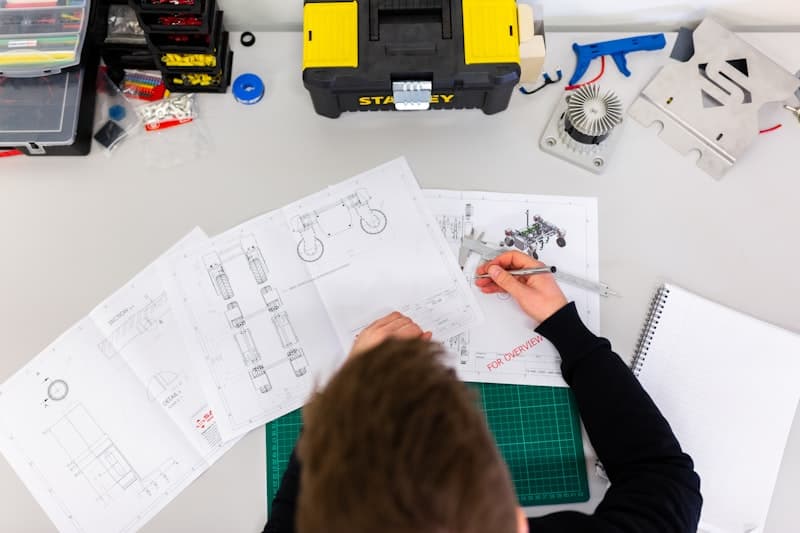
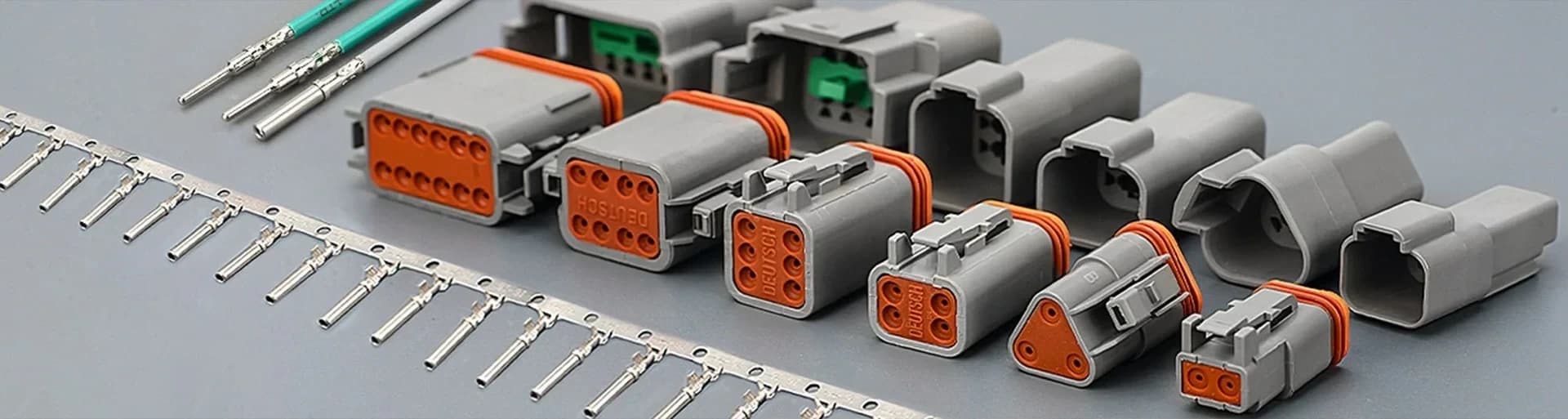
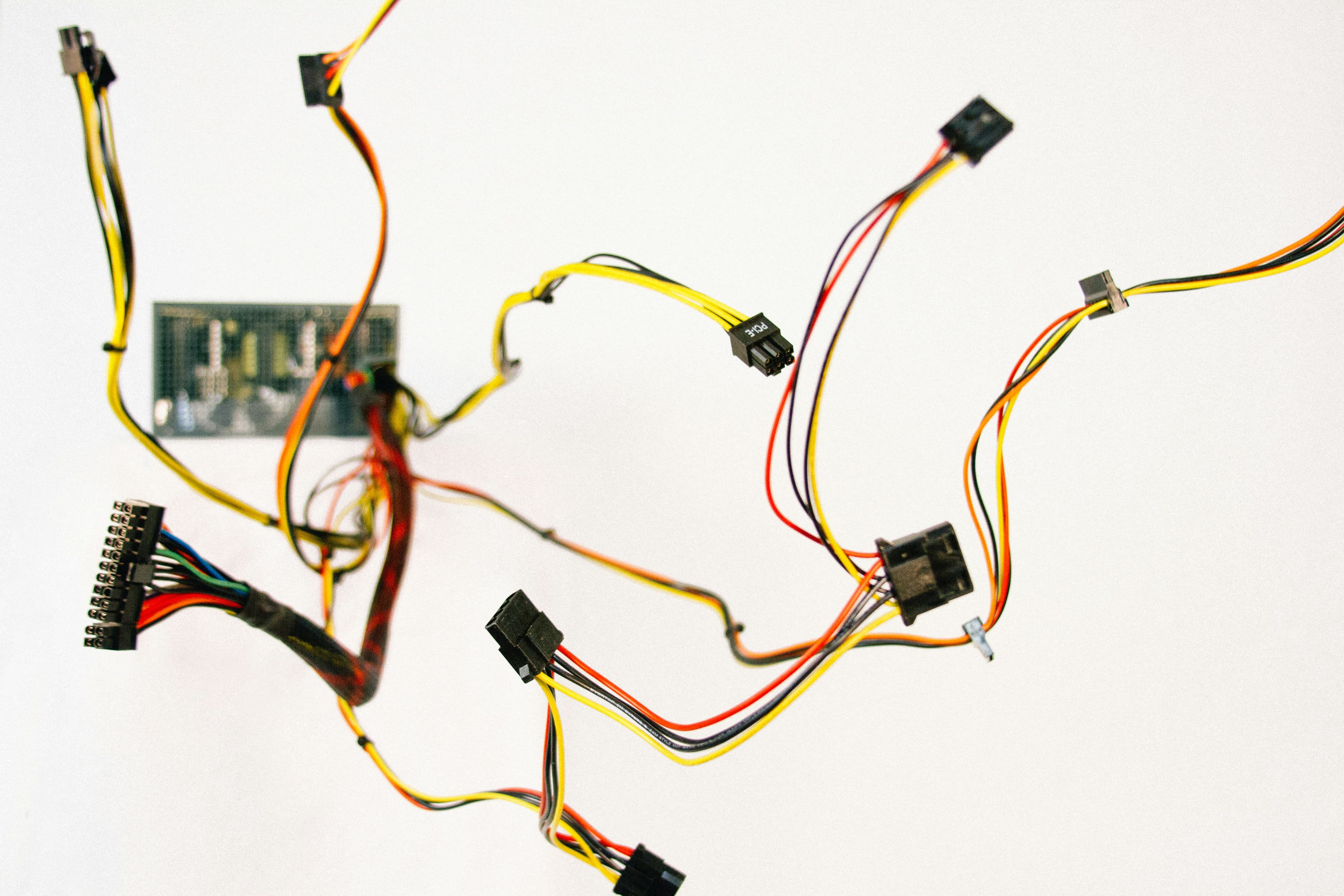
The Problem
Your Product Needs a Harness, Not Just a Schematic
- Electrical Intent
The schematic shows what connects, but not the connector family, wire gauge, branch length, strain relief, or service loop that makes it buildable.
- Physical Reality
Routing, bend radius, mounting points, abrasion, heat, and operator access decide whether a harness survives the actual machine.
- Supply Chain Gaps
A connector that works on paper can be out of stock, tooling-heavy, too large, or wrong for the environment once sourcing starts.
The Solution
A Harness Package Built for Quoting, Sourcing, and Assembly
Design From Requirements
We translate load, signal, environment, length, routing, and serviceability requirements into a first-pass harness architecture.
DFM Before You Spend
Connector choice, wire type, labeling, sleeving, and branch layout are reviewed for build cost, sourcing risk, and production repeatability.
Direct Path to Build
The design output feeds MiniProto assembly directly, so the same team that flags manufacturability issues can build the first articles.
Design work is scoped before production. We keep NRE visible, separate from build pricing, and point customers to lower-cost paths when the online configurator or a simple build quote is enough.
What You Get
A Harness Drawing Package You Can Quote, Source, and Build
Every design job delivers the same three documents, so the harness can be built by MiniProto or by any shop you choose.
Harness Drawing (PDF)
A dimensioned harness drawing with branch lengths, breakouts, connector callouts, labels, covering, and build notes.
Pinout, Wiring Table, and BOM
A from-to wiring table and connector pinouts, plus a bill of materials with manufacturer part numbers for every connector, terminal, wire, and covering.
Formboard (1:1 Layout)
A full-scale layout board drawing so the harness can be built and repeated at the right lengths, by us or by your own team.
What You Can Send Us
- A schematic or pin list
- A physical sample of an existing harness
- Photos or a sketch with rough lengths
- A 3D model or enclosure CAD we can take lengths from
How Design Is Sold
- Quoted per job after we review your inputs, separate from build pricing.
- Design only, or design and build with MiniProto in Kingston, NY.
- You own the design files once the design invoice is paid.
Wire Harness Design Capabilities
From Schematic to Sourced Harness BOM
We focus on practical harness design for prototypes, industrial equipment, embedded systems, vehicles, and low-volume production programs.
Schematic-to-Routing Design
DFM Review
Connector and Wire Selection
Sourcing and Build Package
Common Design Applications
Harness design support for teams moving from prototype wiring to repeatable assembly documentation.
Embedded Systems
Board-to-device harnesses for sensors, controllers, displays, batteries, and low-voltage signal wiring.
Industrial Equipment
Machine harnesses for PLCs, actuators, limit switches, motor controls, power distribution, and service panels.
Vehicle and Marine
Harnesses with vibration, abrasion, fluids, temperature, mounting, and field-service constraints.
Robotics and UAVs
Compact, lightweight routing for payloads, motors, cameras, batteries, and modular subsystems.
Wire Harness Design Process
Requirements In, Build-Ready Package Out
The workflow stays practical: enough engineering detail to quote, source, build, test, and revise without turning prototype work into a year-long documentation project.
Our 5-Step Harness Design Workflow
Requirements Intake
We gather schematics, pinouts, enclosure constraints, rough lengths, environmental requirements, current loads, preferred suppliers, and target build quantities.
Schematic and Routing Design
We map circuits to connectors, wires, branches, labels, and routing assumptions so the harness has a clear electrical and physical architecture.
DFM Review
We check manufacturability, crimp tooling, bundle size, branch breakouts, labeling, test approach, serviceability, and common failure points before release.
Connector and Wire Sourcing
We confirm part availability, alternates, lead times, tooling implications, and material tradeoffs before locking the BOM.
Build-Ready Package Delivery
You receive the working package needed for quote, procurement, assembly, and revision control. If MiniProto builds it, that package flows directly into production.
Already have a complete drawing package? Skip design NRE and request a custom cable assembly quote.
Customer Fit
Are We Right for This Design Work?
Good Fit
- You have requirements, a schematic, a pin list, or a working prototype but no build-ready harness package
- You need connector, wire, routing, labeling, sleeving, and sourcing decisions made together
- You want the design to feed directly into prototype or small-batch manufacturing
- You can answer technical questions during the review window, usually within 24-72 hours
Not a Fit
- You already have a released harness drawing, BOM, pinout, and build notes
- You only need a simple point-to-point cable that the online configurator can price
- You need circuit or PCB design, a routed 3D harness model in your CAD, or regulated certification ownership
For simple configurable builds, use the online configurator.
Wire Harness Design FAQ
Common Questions About Harness Design Services
Practical answers about inputs, outputs, sourcing, design ownership, and when to choose design versus assembly.
What do I need to start a wire harness design?
Any of these is enough to start: a schematic or pin list, a physical sample, photos or a sketch with rough lengths, or a 3D model of the enclosure. Cleaner inputs mean fewer review cycles, but the service exists for projects that are not build-ready yet.
What do I get at the end of a design job?
A harness drawing (PDF), a pinout and from-to wiring table with a BOM of manufacturer part numbers, and a formboard (1:1 layout) drawing. That package is enough to quote, source, and build the harness.
Do you route the harness in 3D CAD?
No. We take lengths and routing from your 3D model, enclosure, sample, or sketch and deliver 2D drawings and a formboard. We do not deliver routed 3D harness models.
Can I buy design only and build the harness elsewhere?
Yes. Design is sold on its own or together with a build. Once the design invoice is paid, the design files are yours, and you can take the drawing to any shop.
Do you choose the connectors and wire?
Yes. Connector and wire selection is part of the job: connector families, terminals, seals, wire types and gauges, colors, labels, and covering, chosen for the electrical, environmental, sourcing, and build constraints.
Can you review a drawing we already made?
Yes. We do DFM reviews of existing harness drawings and flag cost, sourcing, and manufacturability issues before you release them.
Do you design the electrical system or just the harness?
We design system wiring: what connects where, power distribution, fusing, and grounding. We do not design circuits or printed circuit boards.
Are revisions included after delivery?
Yes, revisions after delivery are part of design work. Each job is scoped and quoted up front, so tell us how you expect the design to change as the product matures.
How is harness design priced?
Each design job is quoted after we review your inputs. Design is priced separately from the build, so you can approve the design first and decide where to manufacture it.
Starting from an undocumented harness? See reverse engineering, or read the harness RFQ checklist.
Ready to Get Started?
Pick the Path That Matches Your Starting Point
Requirements, samples, and build-ready drawings each need a different first step.
Start a Design Quote
Send requirements, schematics, CAD, photos, notes, or a rough concept and we will scope the harness design work.
- Requirements intake
- 24-72 hours review window
- Design NRE scoped up front
Document an Existing Harness
Have a sample but no drawings? Reverse engineering is the right first step before redesign or production.
- Physical sample review
- Connector and pinout documentation
- Design changes after baseline capture
Build a Released Package
If your package is ready, skip design work and quote assembly, testing, and delivery.
- Build-ready drawings and BOMs
- Prototype through low-volume runs
- 1 to 1,000+ units, no MOQ
Simple harness? The online configurator may be faster. Technical question first? Email support@miniproto.com.