Lost the drawings? We'll rebuild them.
Reverse engineering for failed, undocumented, and legacy wire harnesses.
Send us the physical harness, photos, partial notes, or whatever survived the project. We inspect the sample, identify what can be identified, map the wiring, and turn it into a build-ready package.
This is for the OEM cable that failed, the machine harness nobody documented, or the product line that still needs spares after the original engineer moved on.
Case Study
Fifteen Cables. Zero Drawings.
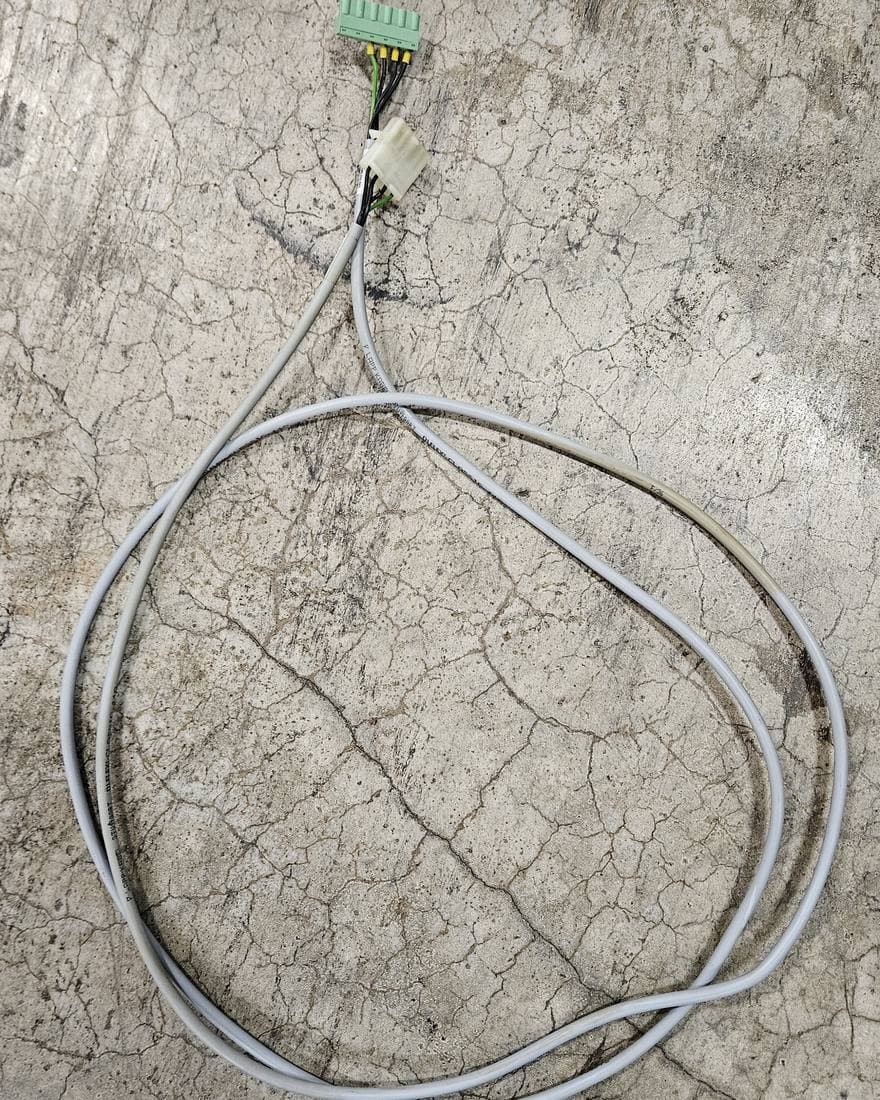
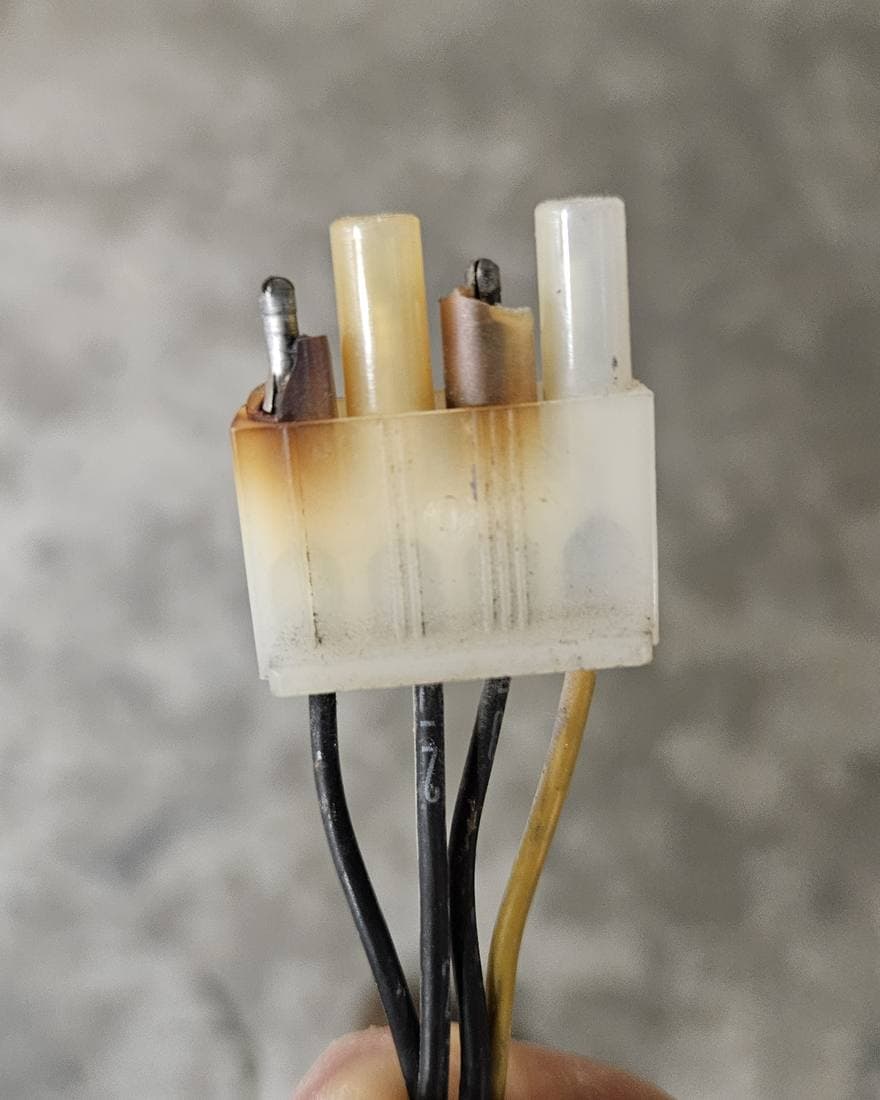
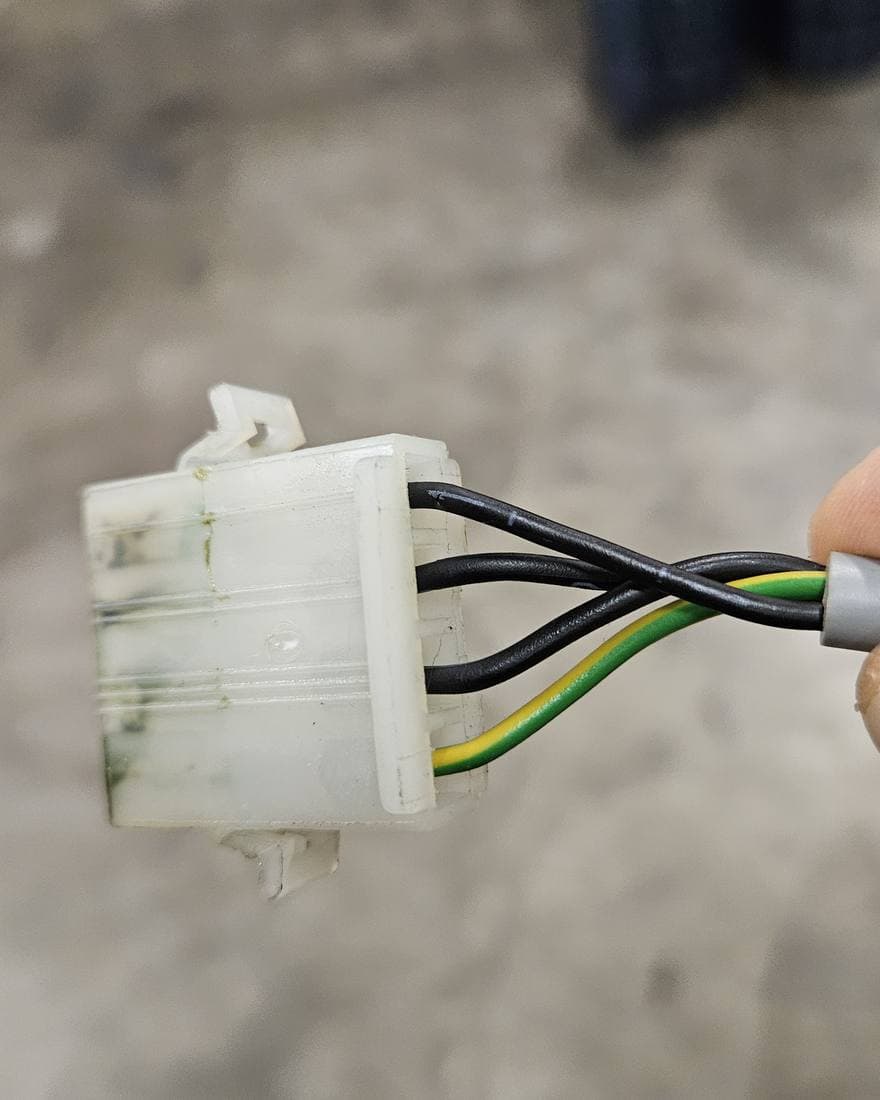
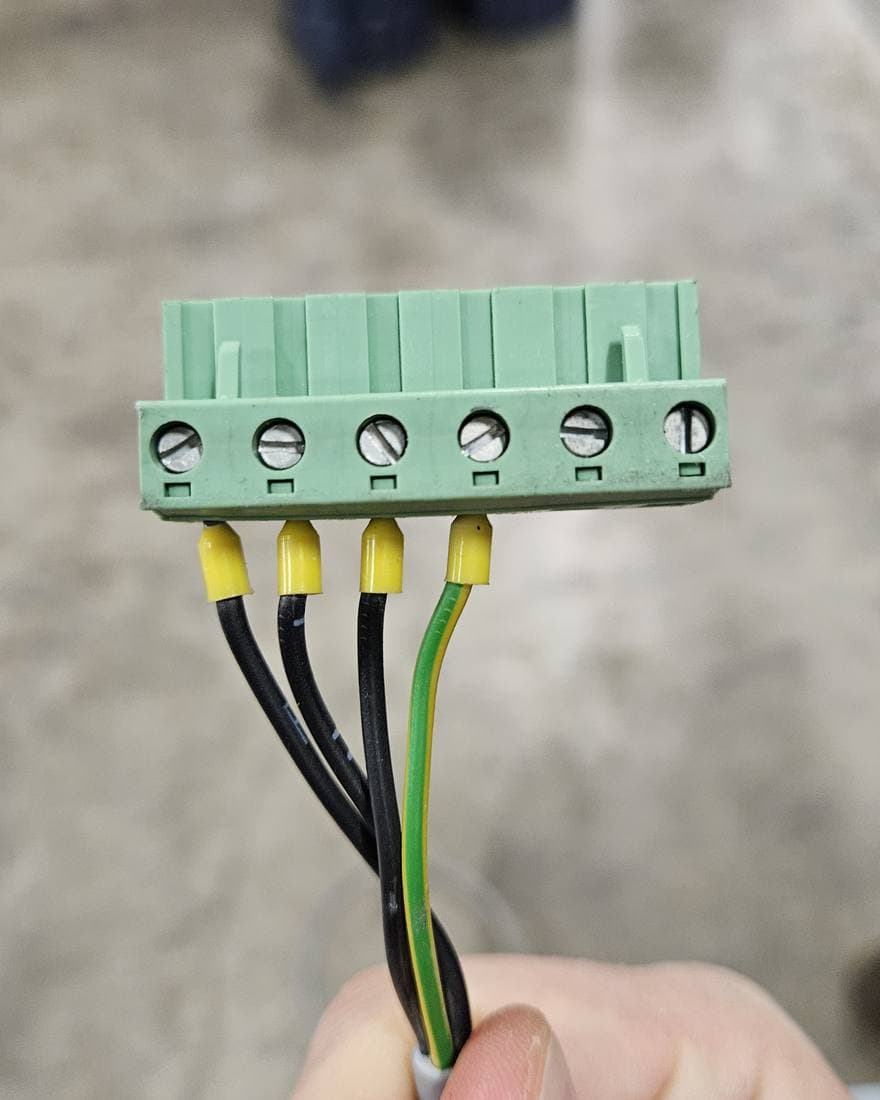
A textile mill needed spares for the motor, thermocouple, and heater cables on its decades-old yarn-texturizing machines. The OEM was long gone. The only specification left was the cables themselves — several heat-damaged, none documented.
The mill shipped the samples along with two dozen shop-floor photos. We identified every connector, mapped the wiring, documented fifteen cable variants, and built the replacements.
- 15
- cable variants documented
- 24
- photos + physical samples in
- 0
- original drawings required
Pricing
Get a Rough Estimate Before Manual Review
Reverse engineering pricing depends on harness complexity, documentation quality, and whether destructive inspection is allowed. The calculator gives a rough range; the final quote follows engineering review.
Each connector housing. Count both ends of a mated pair separately.
Each individual conductor. A multiconductor cable counts as one wire per conductor inside it, not one for the whole cable.
Each point where two or more wires are joined or branch off.
Each continuous run of sleeving, heatshrink, conduit, or loom.
"Keep intact" is non-destructive only and may limit findings. "OK to open" allows destructive inspection.
Rough preliminary estimate
$1,029–$1,392
Rough preliminary estimate only, not a quote. Final pricing depends on documentation quality and condition.
Clear assumptions, visible uncertainty, no guaranteed miracle matches.
We quote the investigation and the deliverables separately from any replacement harness build, so you can decide what happens next.
The Problem
The Harness Exists. The Information Does Not.
- Failed OEM Harness
A critical cable failed, the vendor stopped supporting it, and the only real specification is the broken part on your bench.
- Lost Documentation
No drawing, no BOM, no clean pinout, and maybe a spreadsheet that almost explains what the harness used to be.
- Obsolete Components
Connector markings are worn, parts are discontinued, and the engineer who knew the system is no longer available.
The Solution
Turn the Physical Sample Into a Build Package
We document the harness you have, separate known facts from assumptions, and produce the drawing, wire list, and BOM needed to quote a replacement.
Inspection First
We start with photos, markings, connector geometry, wire colors, labels, branch lengths, splice locations, and routing evidence.
Datasheet Cross-Reference
Connector and terminal candidates are checked against manufacturer drawings, catalogs, distributor data, and measured features.
Reviewable Deliverables
You get a draft package for review before anything becomes final, so uncertainty is visible instead of hidden in a quote.
Reverse Engineering Capabilities
Practical Documentation for Real-World Harnesses
We focus on replacement and manufacturability: what the harness is, what can be sourced, and what a build team needs to reproduce it.
Documentation Outputs
Inspection Methods
Common Reverse Engineering Projects
Legacy equipment, vehicle projects, and small production lines often need replacement harnesses long after the original documentation is gone.
Automotive & Marine
Replacement harnesses for specialty vehicles, refits, marine electronics, and discontinued OEM assemblies.
Industrial Equipment
Machine control harnesses, panel jumpers, sensor cables, and plant-floor equipment with incomplete records.
Agricultural Technology
Field equipment and sensor harnesses where repairs, retrofits, or vendor churn have outlived the drawings.
Legacy Instruments
Non-critical research and lab equipment harnesses that need practical replacement documentation.
Prototype Recovery
One-off prototypes where the harness worked, but the design never made it into a controlled drawing.
Fielded Systems
Repairs and spares for deployed products where the original vendor is unavailable or the design package is incomplete.
Reverse Engineering Process
From Unknown Sample to Reviewable Package
We keep the uncertainty visible at each step, because guessing quietly is how bad replacement harnesses happen.
Inspection
We review photos, samples, markings, visible routing, existing notes, and any constraints on whether the harness can be opened.
Connector & Wire ID
Connectors, terminals, wire gauges, insulation, markings, and candidate alternates are checked against datasheets and distributor records.
Draft Package
We assemble the draft wire list, connector schedule, BOM candidates, routing notes, and unresolved questions.
Customer Review
You confirm application details, acceptable alternates, destructive-inspection findings, and any assumptions before finalization.
Final Delivery
We deliver the final documentation package and, if requested, quote the replacement build through our cable assembly workflow.
Documentation Ask
Send Us Everything You Have
More surviving context directly reduces cost and turnaround. Even messy notes help us avoid billing time for avoidable detective work.
Useful Inputs
- Photos from multiple angles, including connector faces and labels
- Partial drawings, wire lists, service manuals, or old work orders
- OEM numbers, vendor names, and part markings from nearby equipment
- Physical samples when shippable, including damaged failed units
- Prior vendor information, substitutes tried, and known failure modes
Identification Caveat
Legacy or obsolete connectors with no surviving datasheet anywhere may not be fully identifiable. We flag these early in the process and quote best-effort identification, never a guaranteed match.
We will tell you where confidence is high, where alternates are practical, and where a rebuild requires customer approval of a best-effort substitute.
Customer Fit
Is Reverse Engineering the Right Service?
Good Fit
- You have a failed harness that needs to be rebuilt
- You need spares for a legacy assembly with missing documentation
- You can send photos, samples, or enough context to start investigation
Better Fit Elsewhere
- You already have modern CAD, drawings, and a clean BOM
- You need a new harness designed from scratch instead of copied
- You need certified forensic analysis rather than replacement documentation
Reverse Engineering FAQ
Common Questions About Harness Reverse Engineering
The short version: we can usually improve the documentation picture, but the quality of the sample and surviving context matters.
What if you can't identify a connector?
Legacy or obsolete connectors with no surviving datasheet anywhere may not be fully identifiable. We flag these early in the process and quote best-effort identification, never a guaranteed match.
Do you need the physical harness?
Photos and partial documentation can start the discussion, but a physical sample is usually required for connector geometry, wire gauge, routing, splices, and final confidence.
Can you keep the harness intact?
Often, yes. Non-destructive inspection is available, but hidden splices, boots, loom, and molded sections may limit what can be confirmed without opening the assembly.
What do I receive at the end?
Typical deliverables include a wire list, connector schedule, BOM candidates, routing notes, assumptions, and open questions. Replacement build quotes are handled separately.
Can you build the replacement harness too?
Yes. Once the documentation is reviewed, the same package can feed our custom cable assembly workflow for quoting and production.
Is this the same as designing a new harness?
No. Reverse engineering starts from an existing physical assembly. If you need a clean-sheet harness from requirements, use our wire harness design service.
How much documentation should I send?
Send everything you have. Photos, sketches, partial drawings, old vendor names, equipment manuals, and failed replacement attempts can all reduce investigation time.
Do you guarantee the rebuilt harness will match the original?
We guarantee transparent documentation of what we can verify and what remains uncertain. Exact matches depend on sample condition, connector availability, and customer approval of substitutions.
Ready to Get Started?
Three Ways to Move the Harness Forward
Start with the path that matches how much you already know.
Reverse Engineering Review
Send the sample, photos, or partial documentation and we'll scope the investigation.
- Physical sample review
- Connector and wire identification
- Build package deliverables
Wire Harness Design
Use this when there is no existing harness to copy and the design needs to start from requirements.
- Requirements intake
- Connector selection
- Build-ready design package
Custom Cable Assembly
Already have drawings, pinouts, or a clean BOM? Skip investigation and quote the build.
- Instant configurator for simple cables
- Custom engineering review
- No minimum order quantity