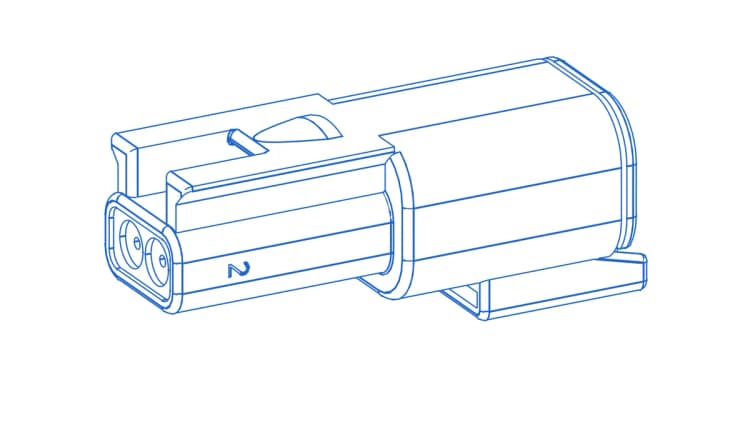

Sensor Breakpoints
Compact sealed disconnects for pressure, temperature, proximity, and position sensors.
Select DTM04 and DTM06 housings, size-20 contacts, WM-series wedgelocks, cavity plugs, boots, and pin numbering for sealed low-current harness breakpoints.
Deutsch DTM is the smaller sibling to DT. It keeps the same field-serviceable sealed connector architecture, but moves to size-20 contacts and a smaller shell for circuits that do not need DT's size-16 current headroom.
Use DTM where the harness needs a rugged disconnect for sensors, CAN, low-current controls, encoder leads, switch loops, and tight equipment cavities. The connector still needs the complete stack: receptacle, plug, pin contacts, socket contacts, wedgelocks, and sealing plugs for unused positions.
DTM04 housings are receptacles and take pin contacts. DTM06 housings are plugs and take socket contacts. The required secondary locks use WM-series part numbers such as WM-2P, WM-4S, WM-8P, and WM-12S.
Deutsch DTM uses the same serviceable Deutsch stack: matched receptacle and plug housings, crimped contacts, rear wire seals, cavity plugs for unused positions, and a secondary wedgelock that blocks contacts from backing out.
Terminology: DTM04 is the receptacle housing for pin contacts, DTM06 is the plug housing for socket contacts, and P/S in the housing part number indicates the accepted contact side.
DTM is the compact sealed connector for low-current harness work: smaller than DT, still serviceable, and common enough for sensor-heavy builds.
Use the Deutsch sealed architecture where a DT shell would waste space.
Contacts remain removable, so signal circuits can be serviced without cutting the harness apart.
Use DTM beside DT and DTP when the same machine has signal, mid-current, and power branches.
Compact sealed disconnects for pressure, temperature, proximity, and position sensors.

Low-current controls and communications where sealed service access matters more than ampacity.

A smaller shell than DT when packaging space is the limiting constraint.
Same locking system and seals, three contact sizes. Pick by current and wire gauge. They do not intermate with each other.
Sensors, signal, tight space
Mid-current: injectors, coils, relays
Power: pumps, fans, motors
| Series | Contact | Current | Wire | Positions | Use |
|---|---|---|---|---|---|
| DTM | Size 20 | 7.5 A | 18-24 AWG | 2-12 | Sensors, signal, tight space |
| DT | Size 16 | 13 A | 20-14 AWG | 2-12 | Mid-current: injectors, coils, relays |
| DTP | Size 12 | 25 A | 12-16 AWG | 2, 4 standard | Power: pumps, fans, motors |
For signal-level circuits and tight spaces, DTM drops to size-20 contacts. Step up to DT for size-16 mid-current work, and DTP for pumps, fans, motors, or other higher-current branches.
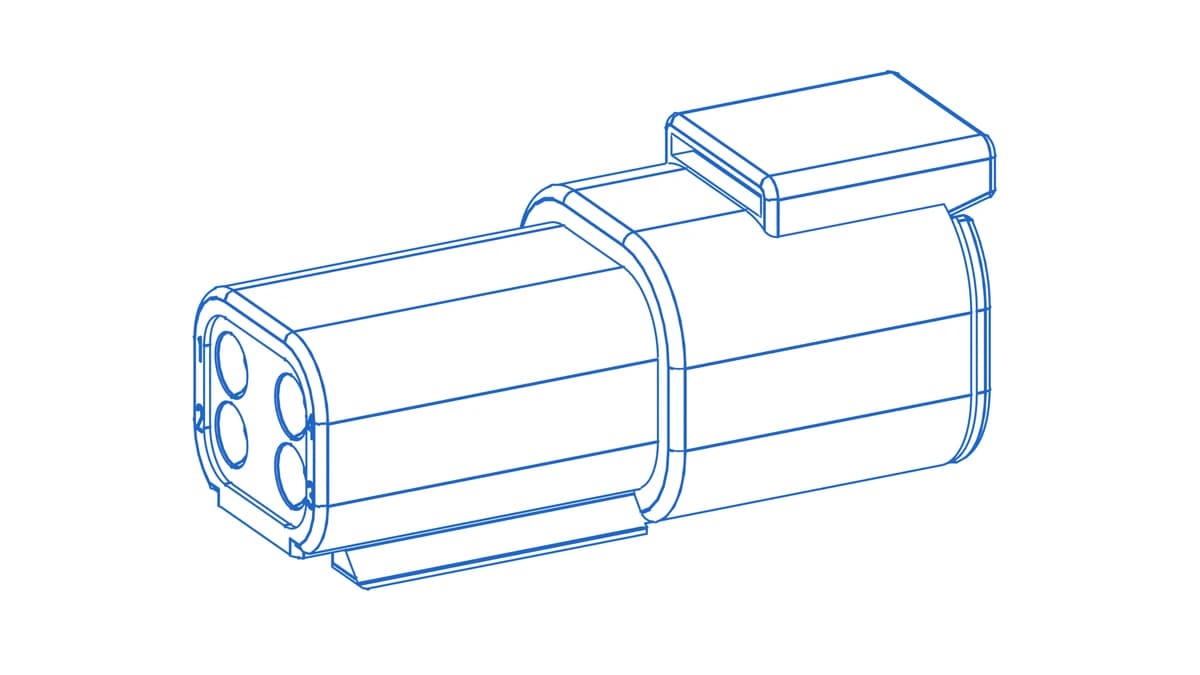
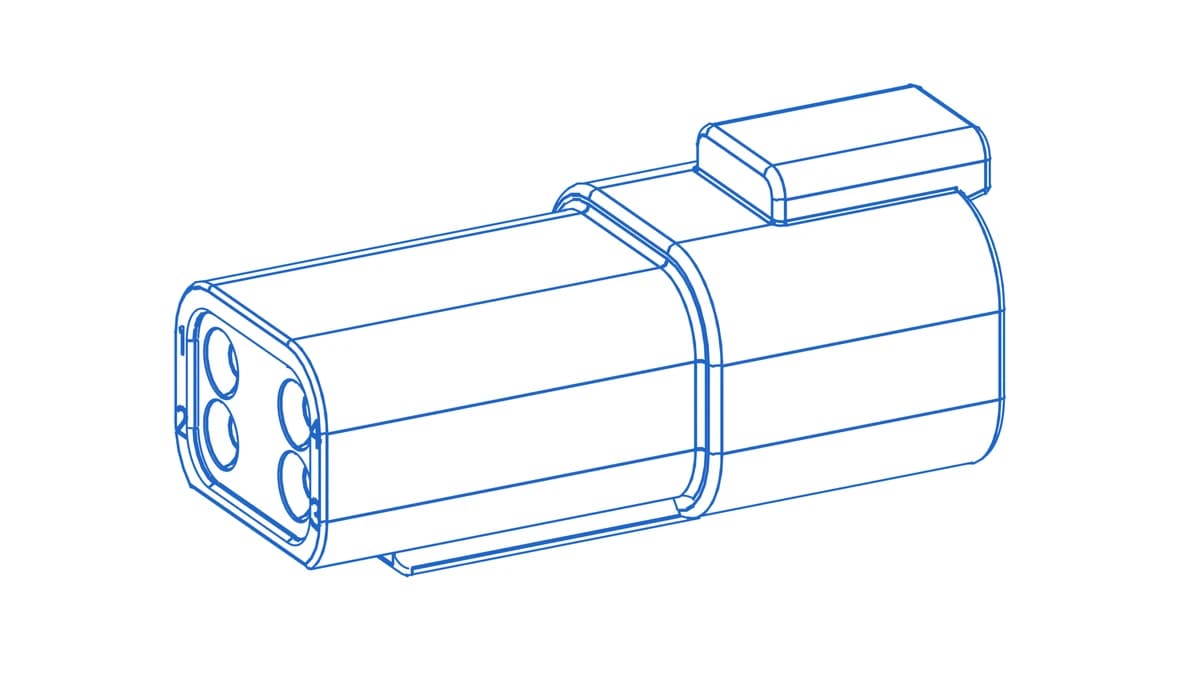
Same 4-position receptacle class. Current, contact size, and wire range are the real selection criteria.
Compact signal circuits
Mid-current harness work
Higher-current power runs
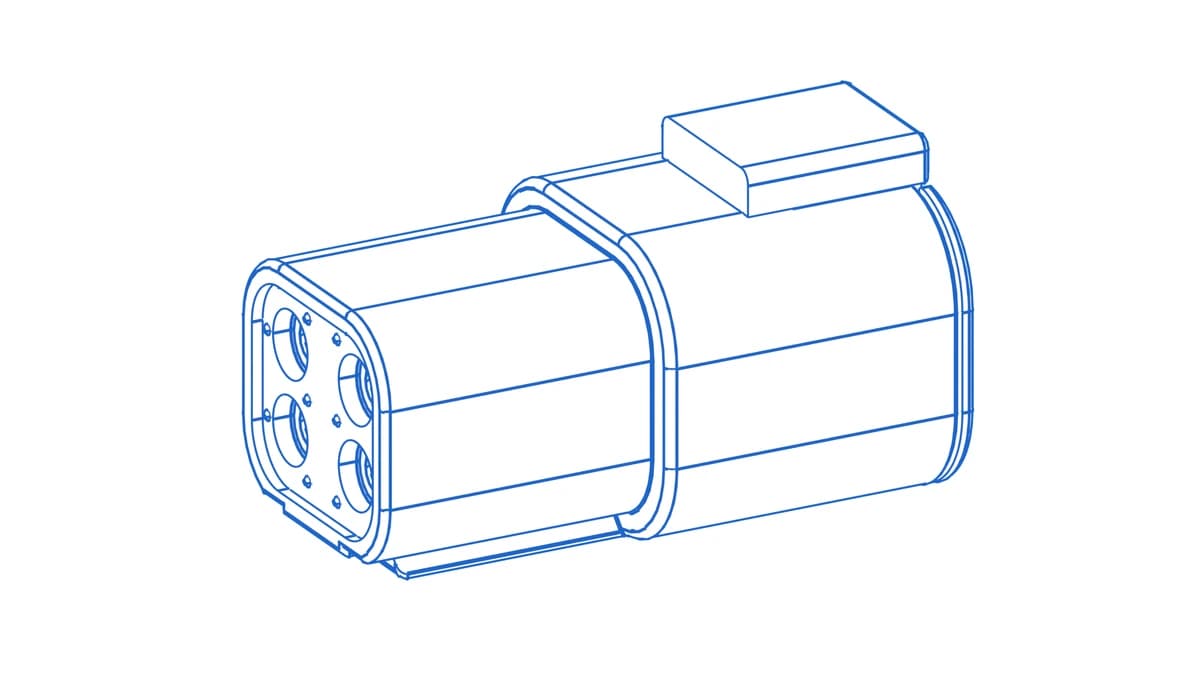
Use DTM for sealed size-20 circuits up to 7.5 A. Current depends on the selected contact and wire; the smaller shell is for signal density, not extra ampacity.
Reference data comes from manufacturer housing models and Deutsch family catalog data; verify final ratings against the exact selected contact and housing.
Pick the position count first: 2, 3, 4, 6, 8, or 12 cavities. DTM keeps the Deutsch layout logic but packages it around size-20 contacts.
Use the selected DTM04/DTM06 part and connector-side view when assigning circuits; wire side and mating face are mirrored.
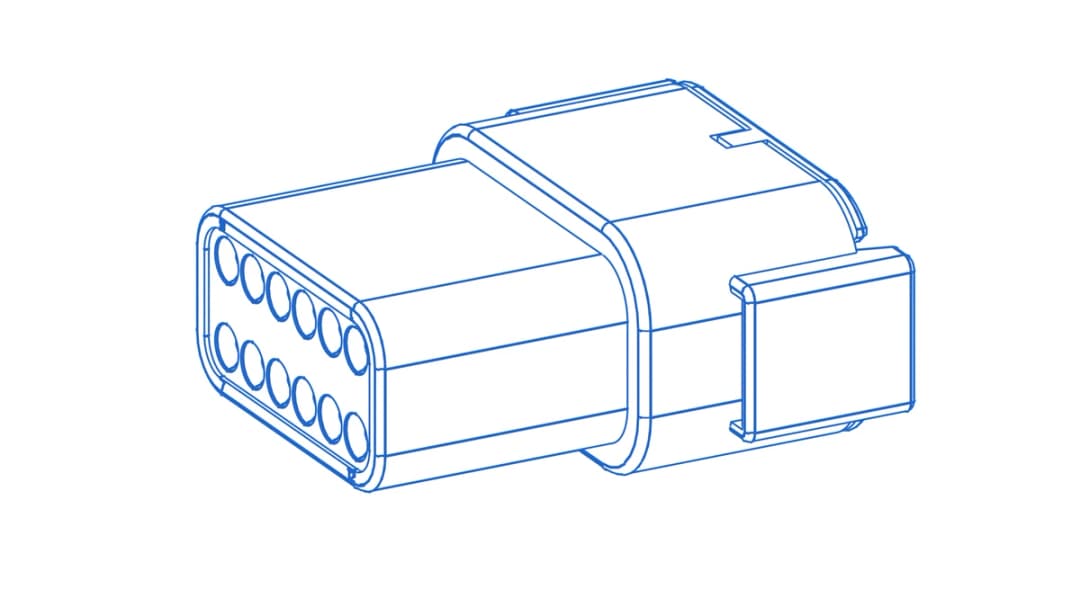
Common DTM receptacle housings. Position count changes both housing size and cavity layout.
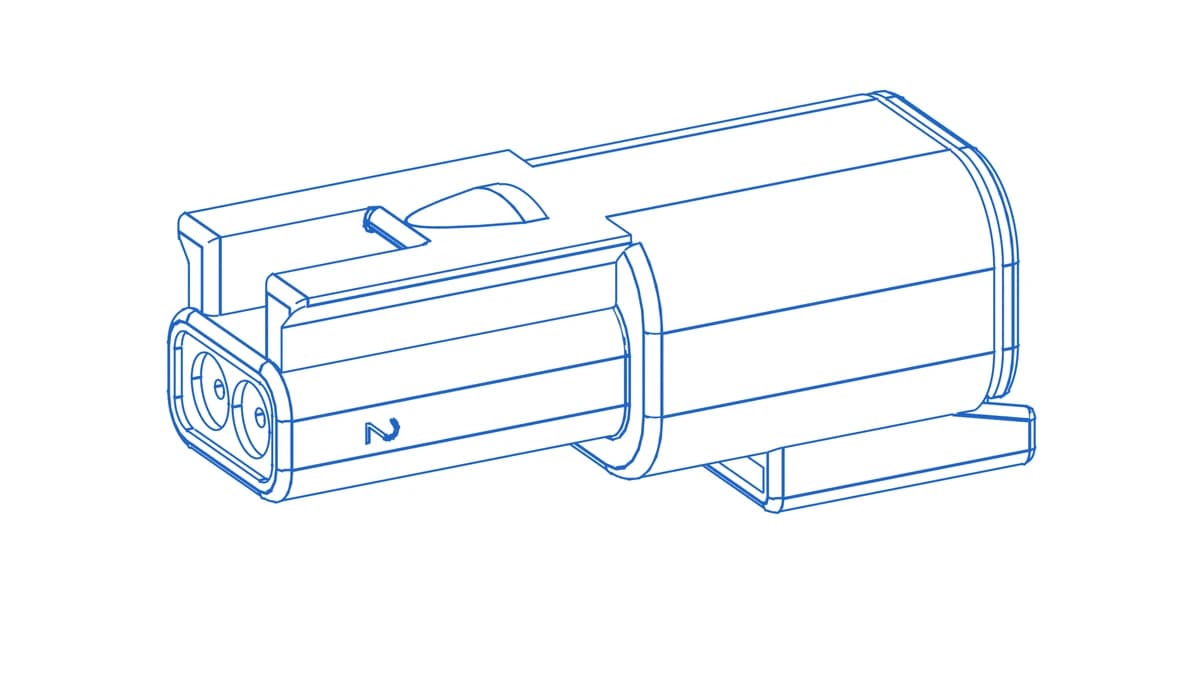
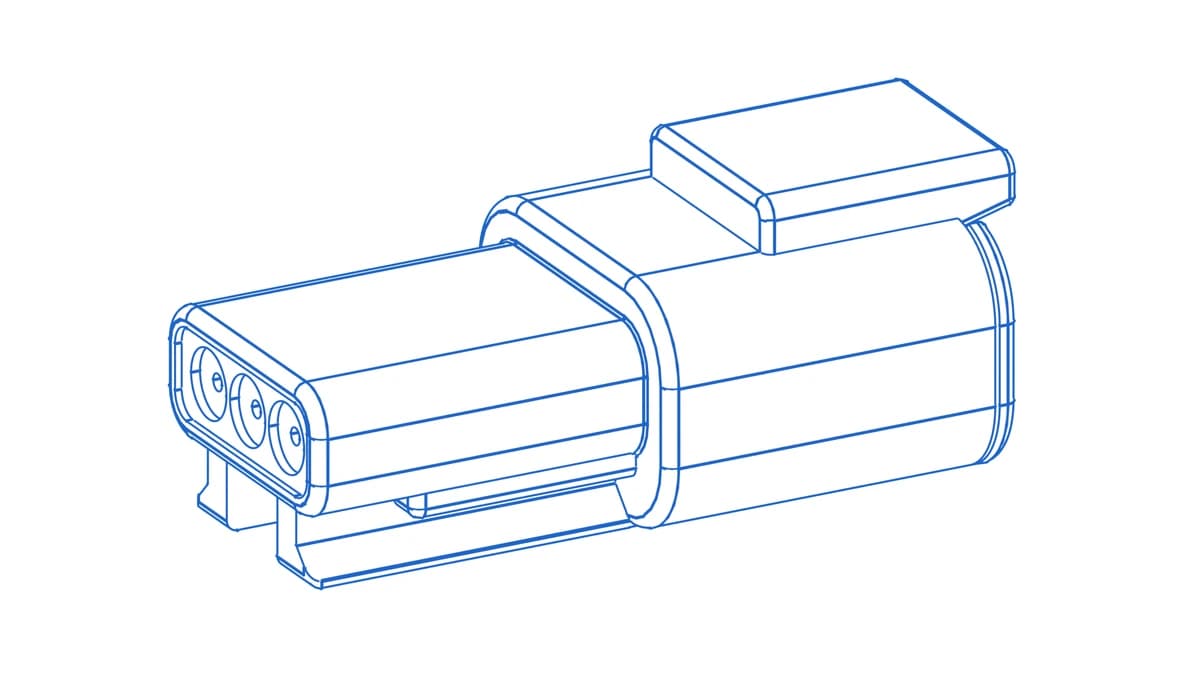
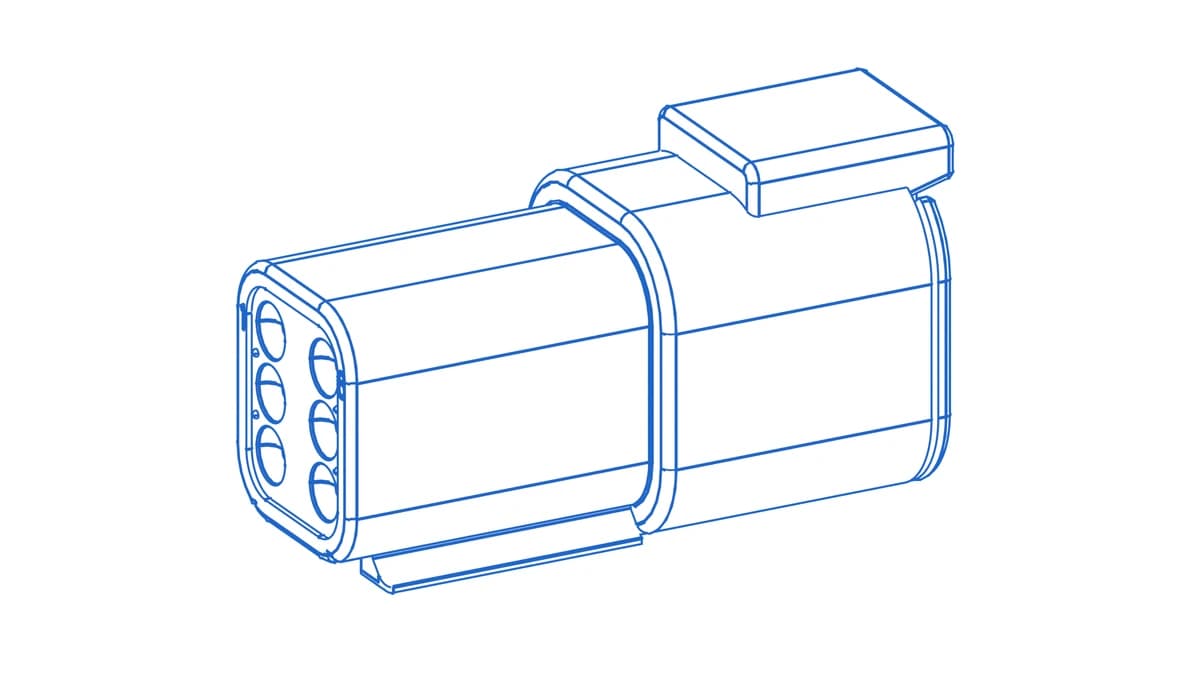
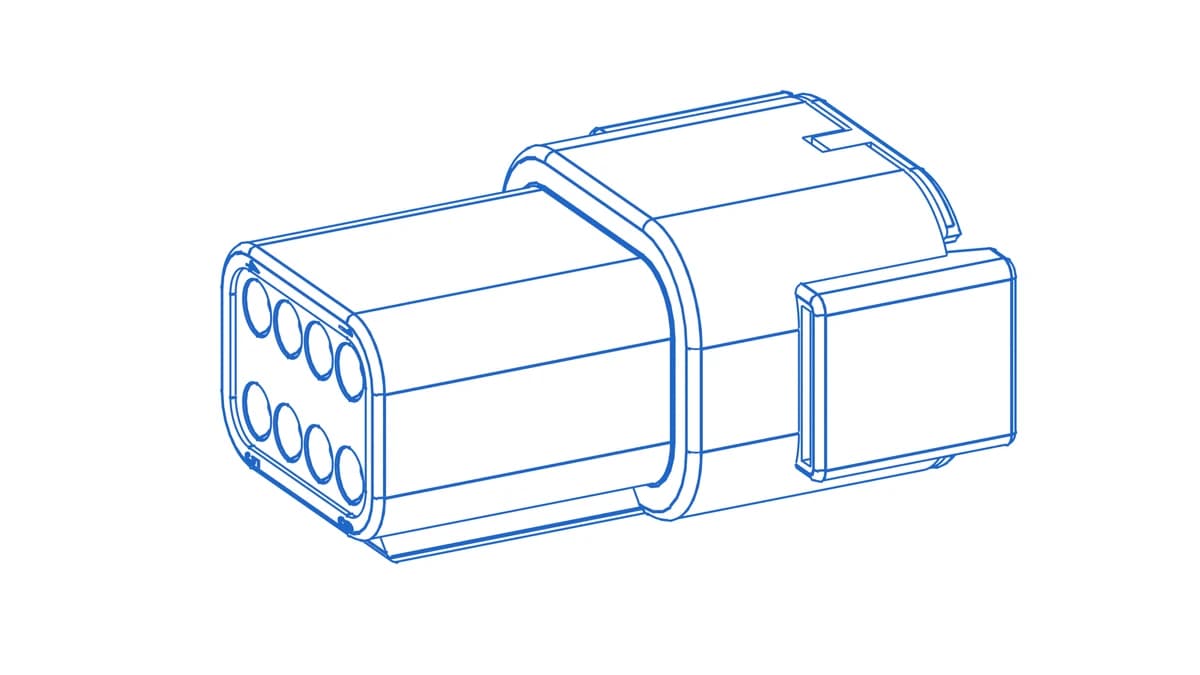
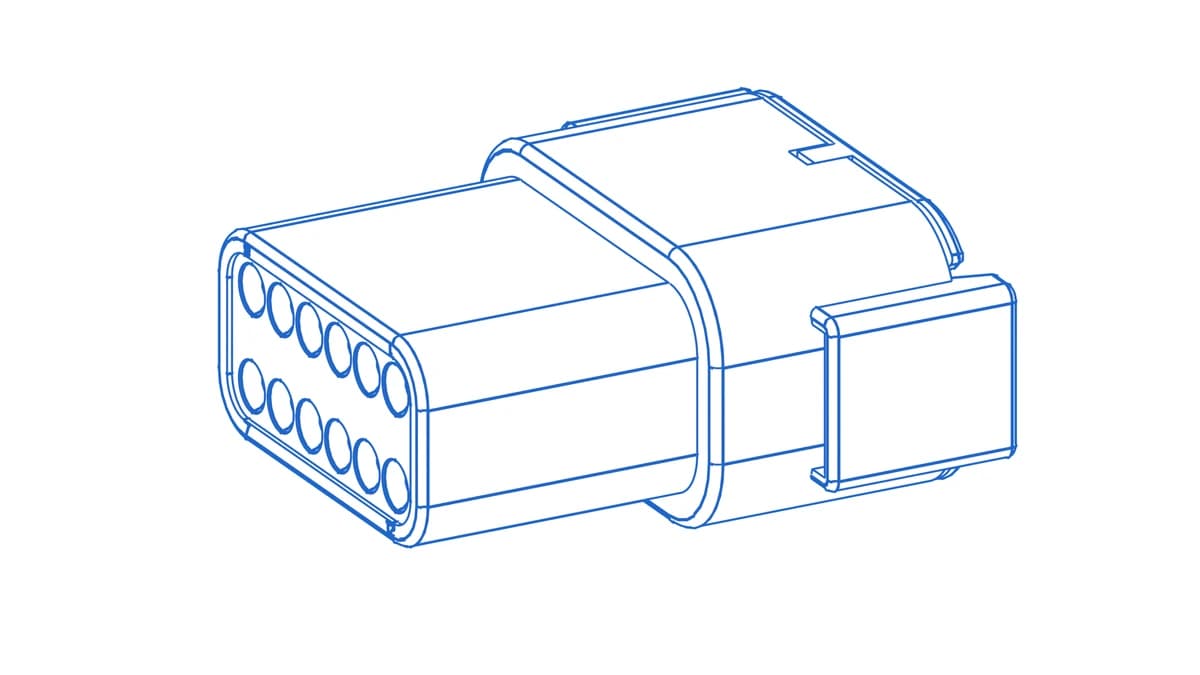
For cavity numbering and circuit pinout, verify the molded numbers and connector-side view on the exact selected housing.
On 8- and 12-way DTM, A through D keying is built into the housing body. On smaller DTM layouts, match the selected housing and WM wedgelock for the exact connector side.
DTM connector stack
A DTM connection is a matched DTM04 receptacle and DTM06 plug, size-20 pin and socket contacts, WM-series wedgelocks, rear wire seals, and cavity plugs for unused positions.
Treat it as the compact signal branch of the Deutsch family. It saves package space, but the selected contact and wire still set the current limit.
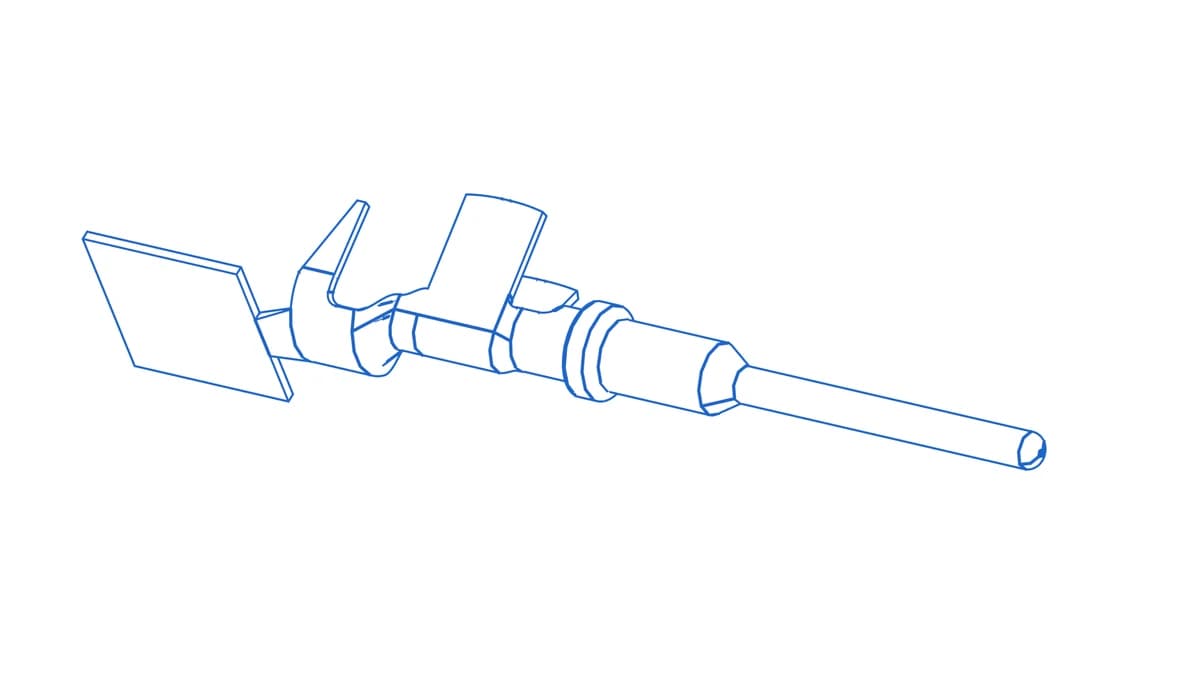
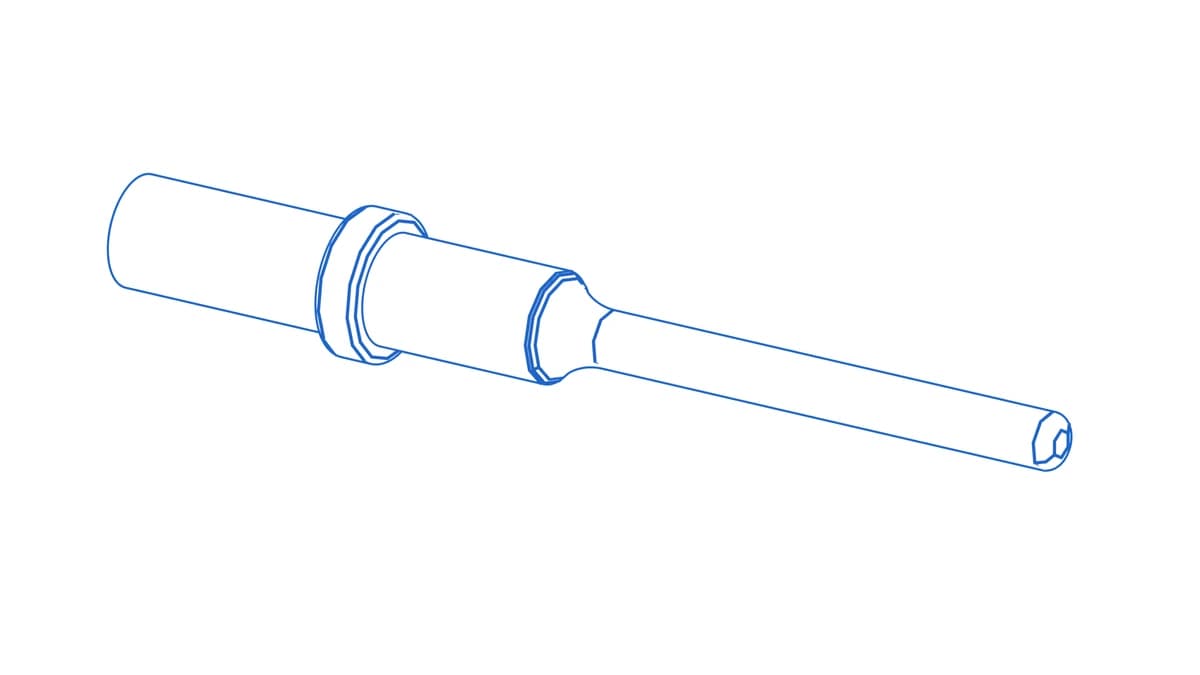
For quoting, choose the contact construction the BOM calls for. DTM current and wire fit are controlled by the exact size-20 contact, not by the housing alone.
DTM is a size-20 contact system, so the conductor gauge is only half the decision. The rear seal also has to grip the insulation outside diameter.
Use thin-wall automotive wire when packaging is tight, and verify the selected seal or plug against the actual wire OD before treating the connector as sealed.
Final seal choice comes from the exact DTM housing, contact, wire insulation OD, and cavity-plug selection. Gauge alone does not prove the connector will seal.
Typical cost moves with contact construction, cavity count, and series. DTM can be lower-cost per circuit when the current requirement fits size-20 contacts.
We quote common DTM parts against live supplier availability and keep the selected contact, wedgelock, seal, and cavity-plug stack together. Use DTM when the circuit is genuinely signal-level; otherwise step up to DT.
Deutsch DTM is the compact size-20 member of the Deutsch sealed connector family. Use it for sensors, CAN, low-current controls, and signal circuits where DT takes too much space.
DTM contacts are commonly treated as up to 7.5 A, but the safe current depends on the exact contact, wire gauge, insulation, temperature, and how the harness is bundled.
No. DTM, DT, and DTP share the same sealed connector concept but use different shell sizes and contact sizes. DTM does not physically mate with DT or DTP.
DTM uses size-20 contacts. Common catalog pin examples include 0460-202-2031 and 1060-20-0144; matching socket examples include 0462-201-2031 and 1062-20-0144.
DTM04 is the receptacle housing and accepts pin contacts. DTM06 is the plug housing and accepts socket contacts. Both sides need the matching WM-series wedgelock.
Yes. Any unused DTM cavity needs a sealing plug, otherwise the connector has an open leak path and the sealed rating no longer applies.
Related Links
Selected service, solution, and industry pages that match this connector family.
Pick positions, contacts, and wire. See the price as you go, then send it to our floor.
Newsletter
Join our community and be the first to know about the latest in wire harness prototyping. Get exclusive insights, tips, and updates delivered straight to your inbox.
Related Links