
Pumps and Fans
Sealed service disconnects for loads that exceed the practical DT range.
Select DTP04 and DTP06 housings, size-12 contacts, WP-series wedgelocks, cavity plugs, boots, and pin numbering for higher-current sealed harness breakpoints.
Deutsch DTP is the larger power sibling to DT. It keeps the same removable-contact, sealed, field-serviceable concept, but moves to size-12 contacts for circuits that exceed DT current headroom.
Use DTP for pumps, fans, motors, power distribution branches, and actuators where the harness needs a sealed disconnect instead of a permanent splice. It is physically larger than DT and DTM, so pick it for current capacity, not convenience.
DTP04 housings are receptacles and take pin contacts. DTP06 housings are plugs and take socket contacts. The required secondary locks use WP-series part numbers such as WP-2P, WP-2S, WP-4P, and WP-4S.
Deutsch DTP uses the same serviceable Deutsch stack: matched receptacle and plug housings, crimped contacts, rear wire seals, cavity plugs for unused positions, and a secondary wedgelock that blocks contacts from backing out.
Terminology: DTP04 is the receptacle housing for pin contacts, DTP06 is the plug housing for socket contacts, and P/S in the housing part number indicates the accepted contact side.
DTP is the sealed connector for higher-current branches: physically larger than DT, built around size-12 contacts, and still repairable in the field.
Move pumps, fans, motors, and actuator circuits out of the DT current envelope.
Keep a service disconnect on power circuits without solder, potting, or permanent splices.
Use DTP where DT runs out of current while preserving the same sealed connector workflow.
Sealed service disconnects for loads that exceed the practical DT range.

Higher-current branches where vibration and splash exposure make unsealed plugs risky.

Compact two- or four-circuit breakpoints for power feeds and returns.
Same locking system and seals, three contact sizes. Pick by current and wire gauge. They do not intermate with each other.
Sensors, signal, tight space
Mid-current: injectors, coils, relays
Power: pumps, fans, motors
| Series | Contact | Current | Wire | Positions | Use |
|---|---|---|---|---|---|
| DTM | Size 20 | 7.5 A | 18-24 AWG | 2-12 | Sensors, signal, tight space |
| DT | Size 16 | 13 A | 20-14 AWG | 2-12 | Mid-current: injectors, coils, relays |
| DTP | Size 12 | 25 A | 12-16 AWG | 2, 4 standard | Power: pumps, fans, motors |
DTP is the step-up family for power circuits. Use DTM for compact signal work and DT for the middle size-16 range; standard DTP planning is 2- and 4-position power connectors.
Same 4-position receptacle class. Current, contact size, and wire range are the real selection criteria.
Compact signal circuits
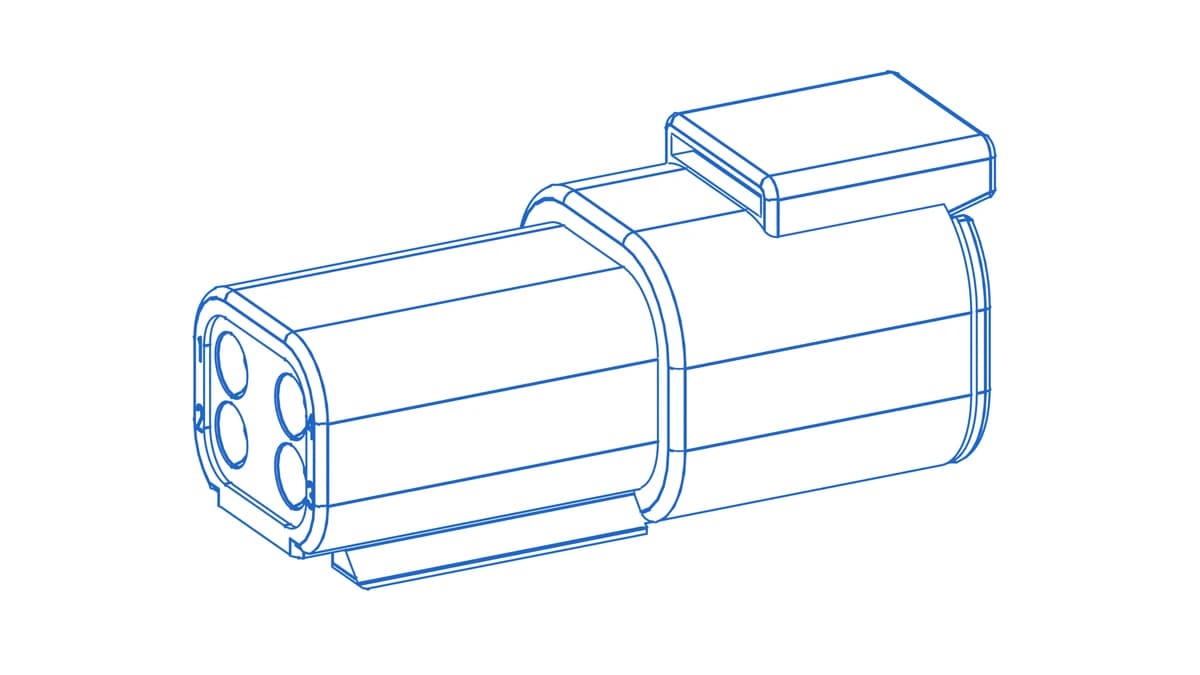
Mid-current harness work
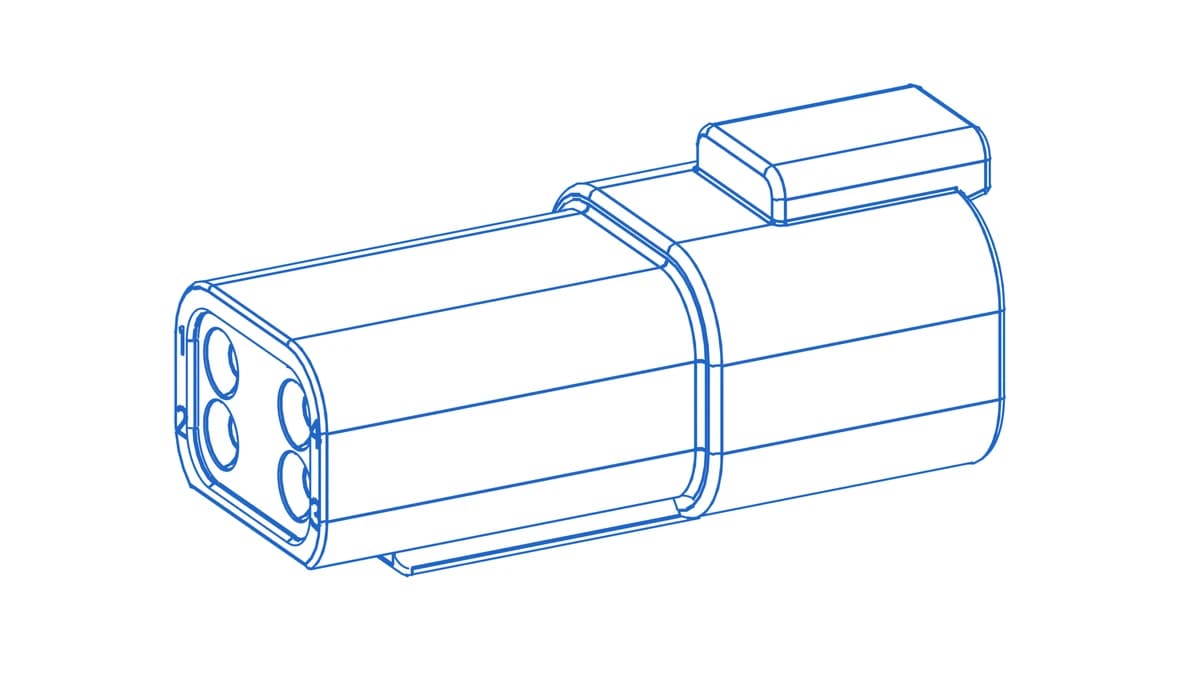
Higher-current power runs
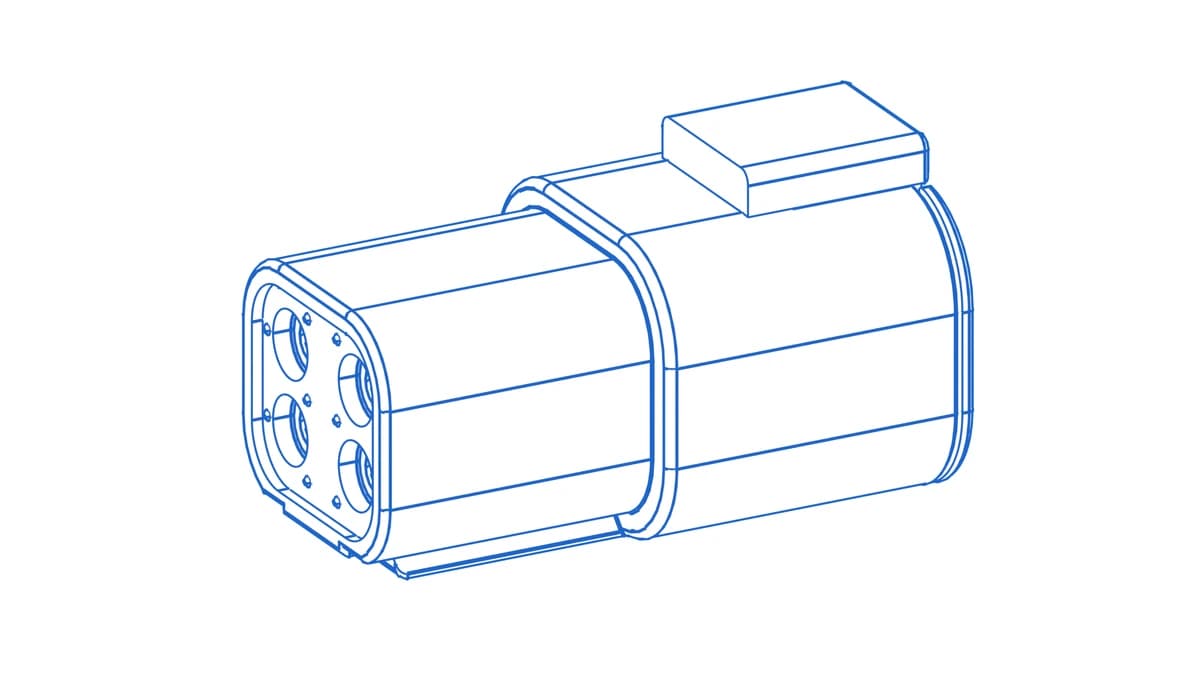
Use DTP for sealed size-12 circuits up to 25 A. The exact limit still comes from the selected contact, wire, temperature, and installation conditions.
Reference data comes from manufacturer housing models and Deutsch family catalog data; verify final ratings against the exact selected contact and housing.
Pick the position count first: standard DTP planning is 2 or 4 cavities. The shell is larger because the contact system is size 12.
Use the selected DTP04/DTP06 part and connector-side view when assigning circuits; wire side and mating face are mirrored.
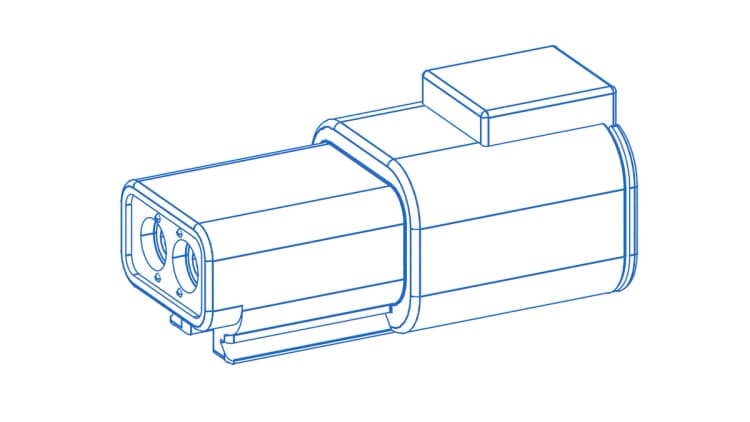
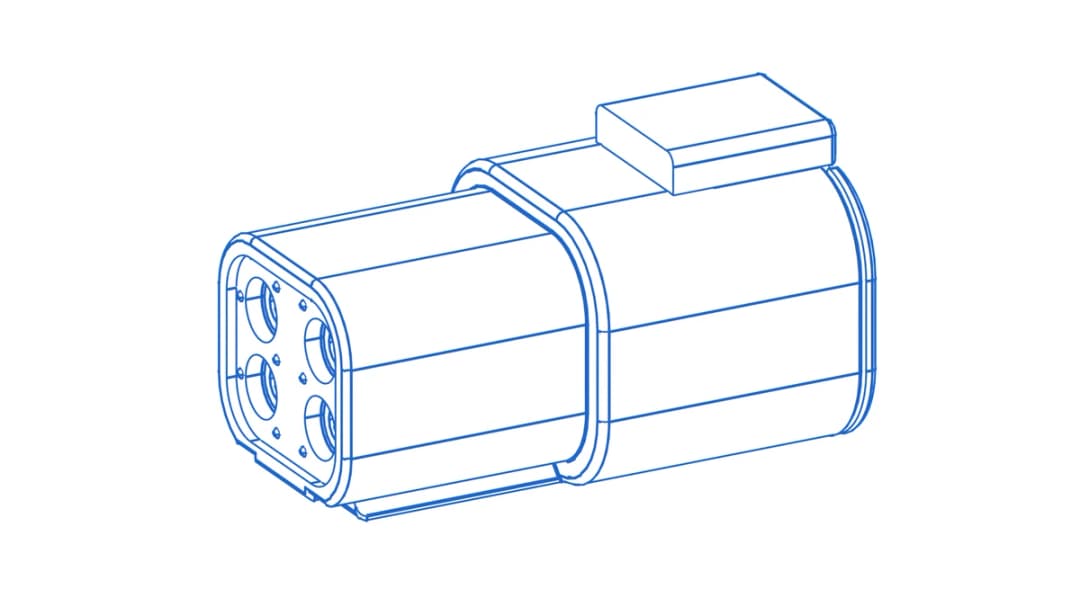
Common DTP receptacle housings. Position count changes both housing size and cavity layout.
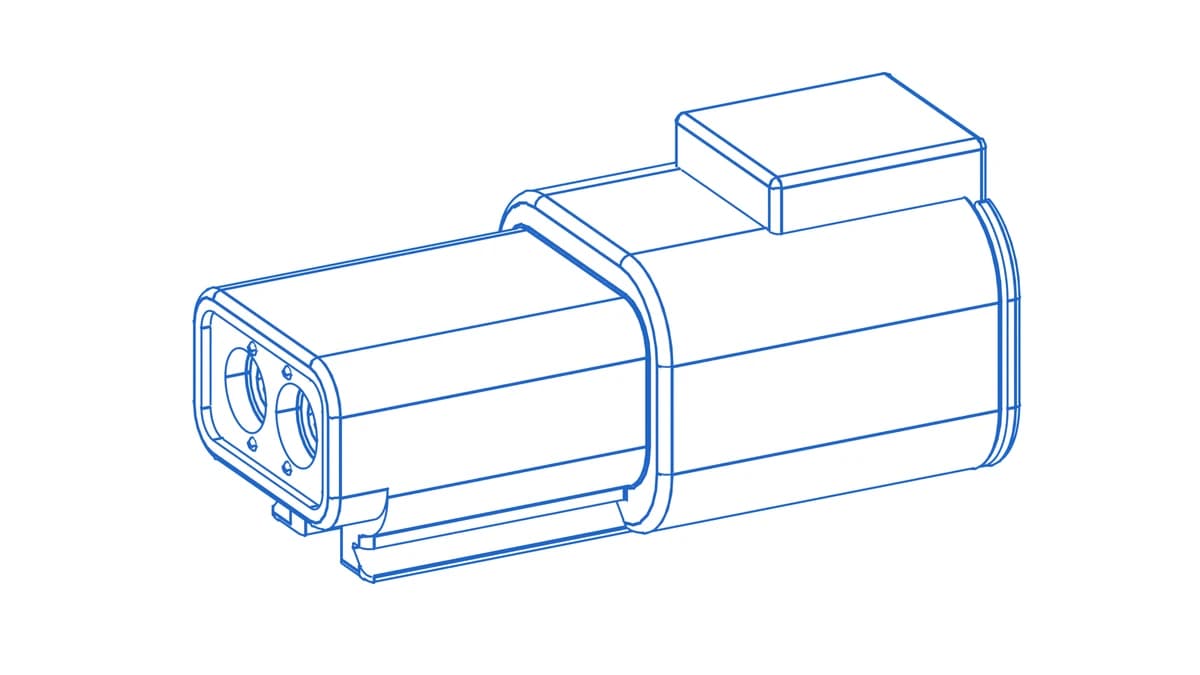
Use 2- and 4-position DTP housings for standard planning. Confirm any 3-position DTP part before specifying it.
Standard DTP planning uses 2- and 4-way housings. Use the exact DTP04 or DTP06 part and matching WP wedgelock for the connector side instead of assuming a DT or DTM keying pattern.
DTP connector stack
A DTP connection is a matched DTP04 receptacle and DTP06 plug, size-12 pin and socket contacts, WP-series wedgelocks, rear wire seals, and cavity plugs for unused positions.
Use it when the circuit has outgrown DT. The larger shell buys current headroom, but the exact contact, wire, and installation still decide the usable amp rating.
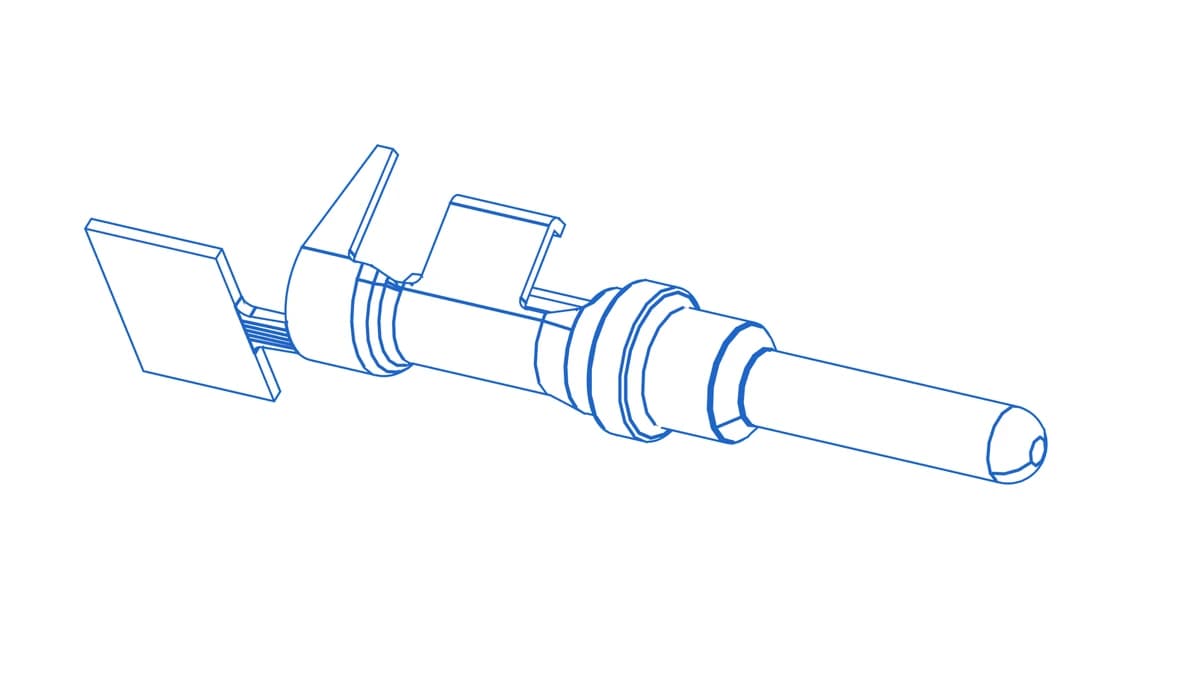
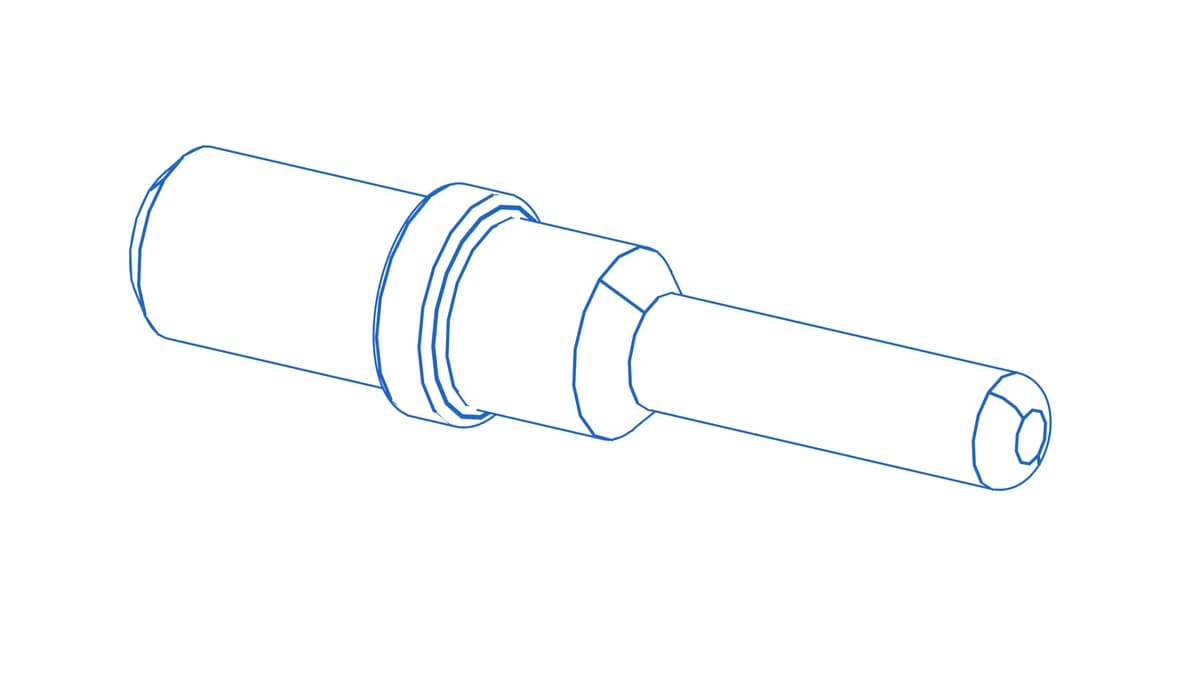
For quoting, choose the contact construction the BOM calls for. DTP should be selected for current need first; do not use the larger shell to hide an undersized wire.
DTP is a size-12 contact system for higher-current branches, so wire gauge, insulation OD, bundling, and temperature all matter.
Match the selected contact to the conductor and match the rear seal to the insulation OD. Unused cavities still need sealing plugs.
Final seal choice comes from the exact DTP housing, contact, wire insulation OD, and cavity-plug selection. Gauge alone does not prove the connector will seal.
Typical cost moves with contact construction, cavity count, and series. DTP buys current headroom, so use it when the circuit actually needs the size-12 system.
We quote common DTP parts against live supplier availability and keep the selected contact, wedgelock, seal, and cavity-plug stack together. Use DTP for power branches that exceed DT's size-16 range.
Deutsch DTP is the size-12 power member of the Deutsch sealed connector family. Use it for higher-current branches such as pumps, fans, motors, power feeds, and actuator circuits.
DTP is commonly used up to 25 A with the right size-12 contact and wire. The actual limit depends on the selected contact, wire gauge, temperature, bundling, and installation conditions.
For DTP, plan around 2- and 4-position housings unless the exact 3-position housing, wedgelock, and contact stack are confirmed for your build.
No. DTP, DT, and DTM are separate physical series. DTP uses larger size-12 contacts and does not mate with DT or DTM housings.
DTP uses size-12 contacts. Common pin examples include 0460-204-12141, 1060-12-0166, and 1060-12-0222; socket examples include 0462-203-12141, 1062-12-0166, and 1062-12-0222.
DTP04 is the receptacle housing and accepts pin contacts. DTP06 is the plug housing and accepts socket contacts. Both sides need the matching WP-series wedgelock.
Related Links
Selected service, solution, and industry pages that match this connector family.
Pick positions, contacts, and wire. See the price as you go, then send it to our floor.
Newsletter
Join our community and be the first to know about the latest in wire harness prototyping. Get exclusive insights, tips, and updates delivered straight to your inbox.