Plug Housing
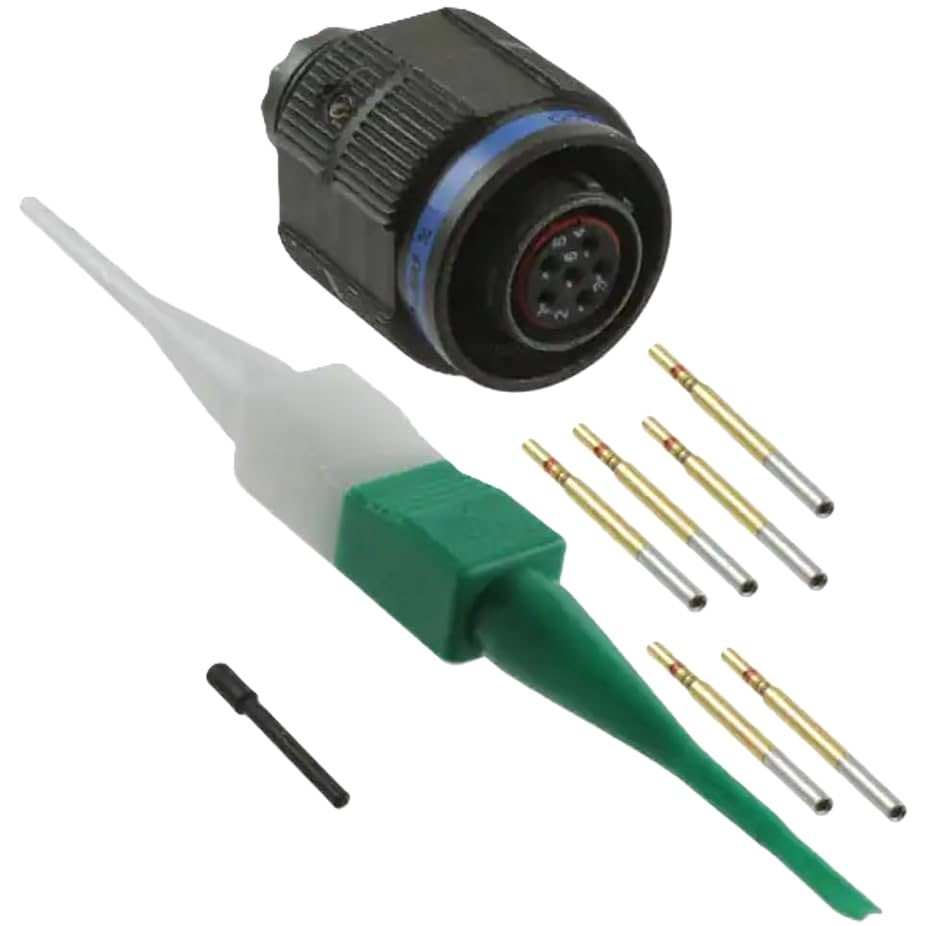
D38999/26FA35AN
MIL-DTL-38999 is the high-density, severe-environment circular connector family for aircraft, defense, marine, and rugged equipment harnesses. A build still has to choose the exact series, shell, insert, contacts, finish, backshell, and tooling.
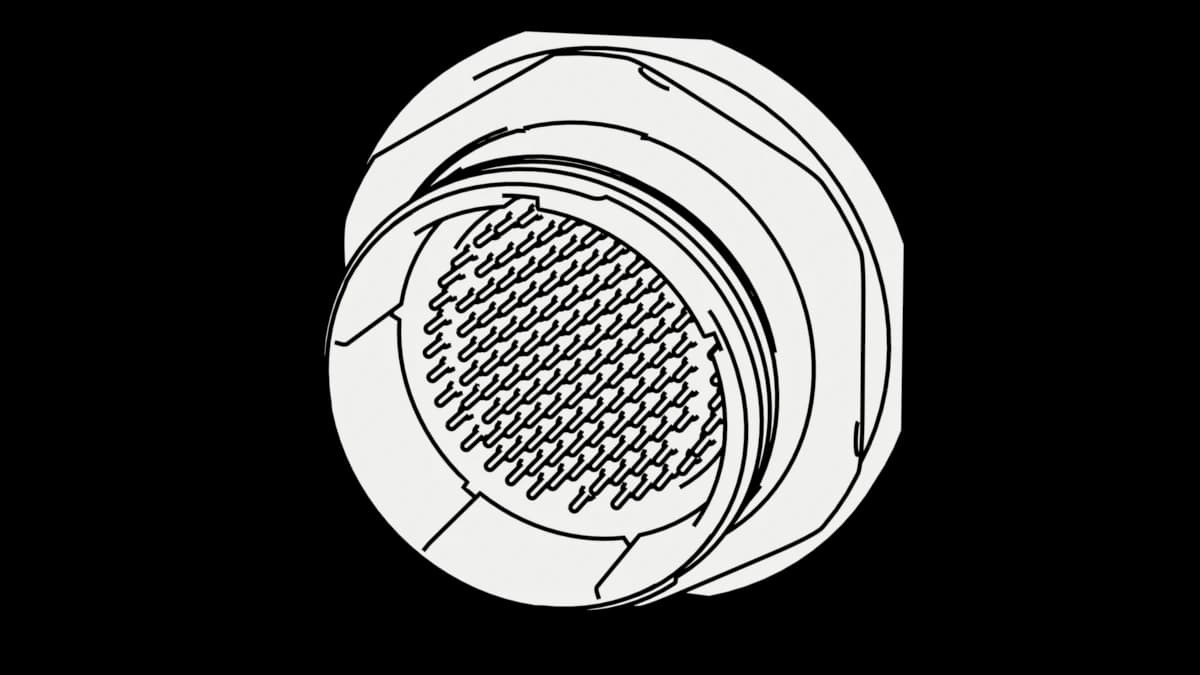
MIL-DTL-38999 is not one connector. It is a family of high-density circular connectors for aircraft, defense, marine, test, and rugged equipment wiring. The spec covers multiple coupling styles with sealed, removable-contact environmental connectors and hermetic variants.
The value is packaging and discipline: many circuits in a compact round shell, positive polarization, serviceable contacts, environmental sealing, and backshell hardware for strain relief and shield termination.
The main quote inputs are series, shell size, shell style, insert arrangement, contact gender, keying, finish class, backshell exit and strain relief, contacts and tooling, and any QPL constraints.
Source-backed parts that illustrate the family. Final selection still depends on series, shell, insert, keying, finish, backshell, and QPL requirements.
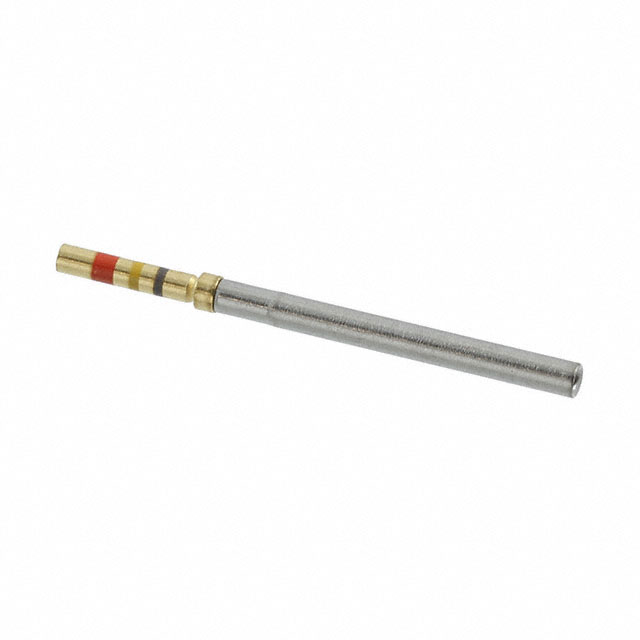
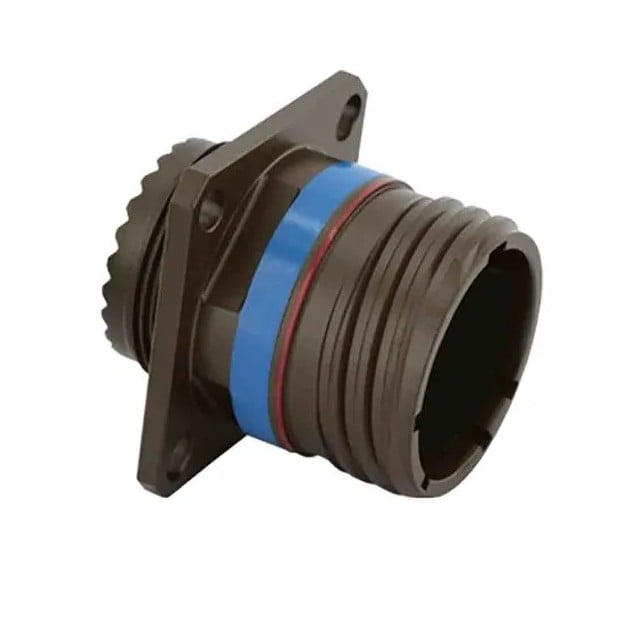
Build the stack from the interface outward, then lock the tooling and contact part numbers. Choosing an insert arrangement first often collides with the real shell style, contact type, backshell thread, finish, or keying.
Representative arrangements for connector selection and quoting. Final part numbers still depend on shell style, class, finish, keying, contact gender, and backshell choice.
| Visual | Shell Size | Insert Arrangement | Contact Count | Contact Size | Common Use |
|---|---|---|---|---|---|
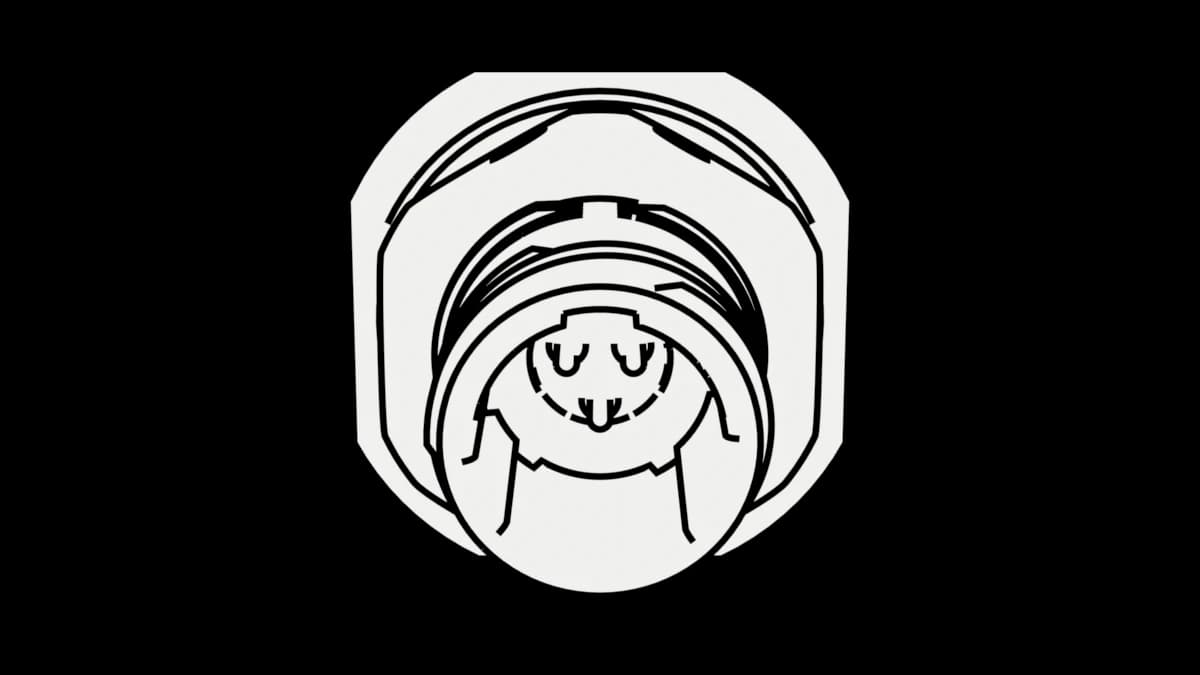 | 9 | 9-98 | 3 | 22D | Compact sensor and low-current signal circuits |
 | 11 | 11-35 | 13 | 22D | Small dense signal harness breakpoints |
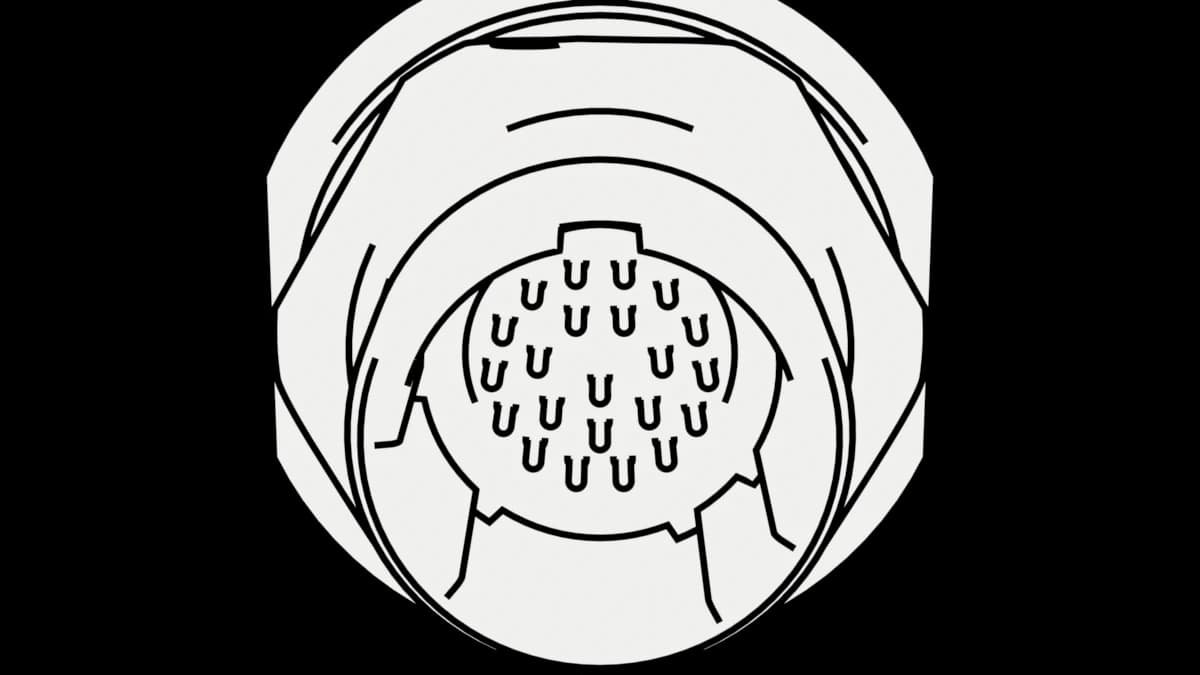 | 13 | 13-35 | 22 | 22D | Instrumentation and multi-sensor assemblies |
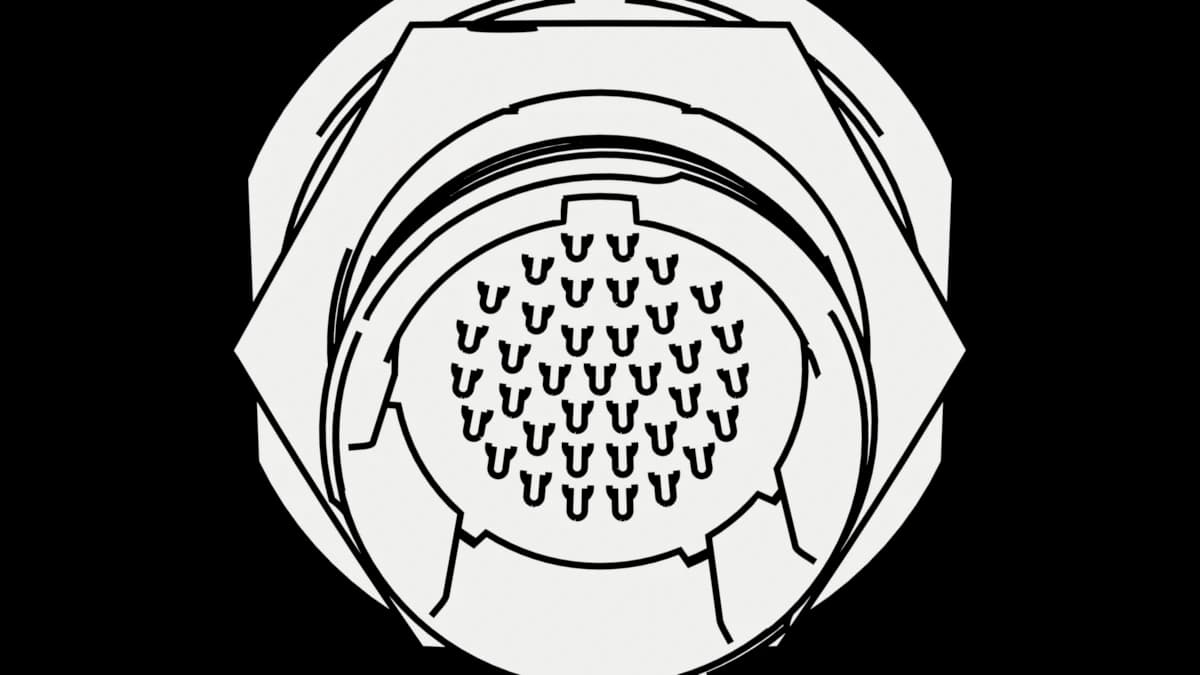 | 15 | 15-35 | 37 | 22D | Dense control and I/O harnesses |
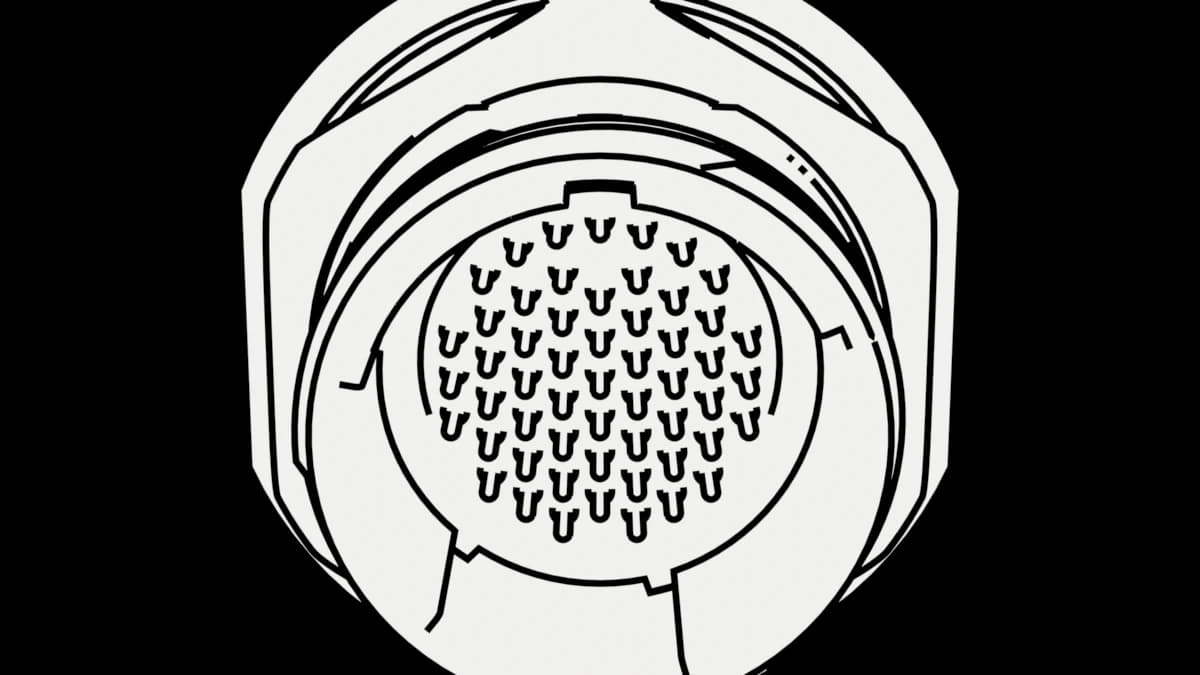 | 17 | 17-35 | 55 | 22D | High pin-count signal interface |
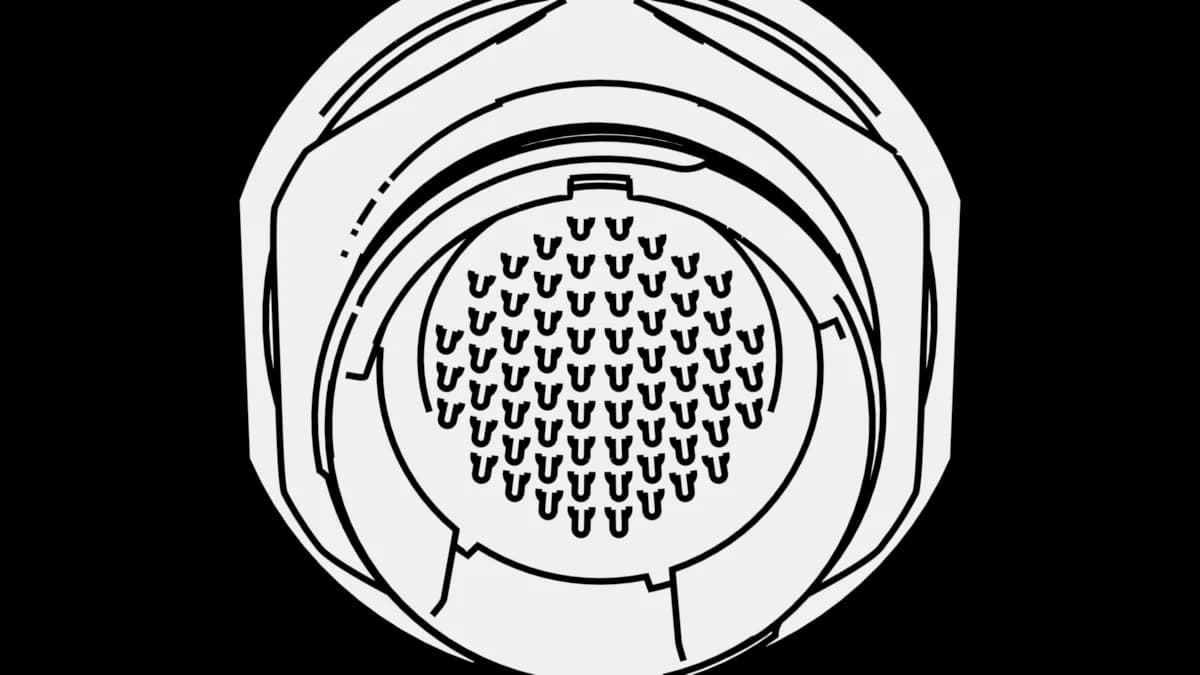 | 19 | 19-35 | 66 | 22D | Panel-to-equipment control bundles |
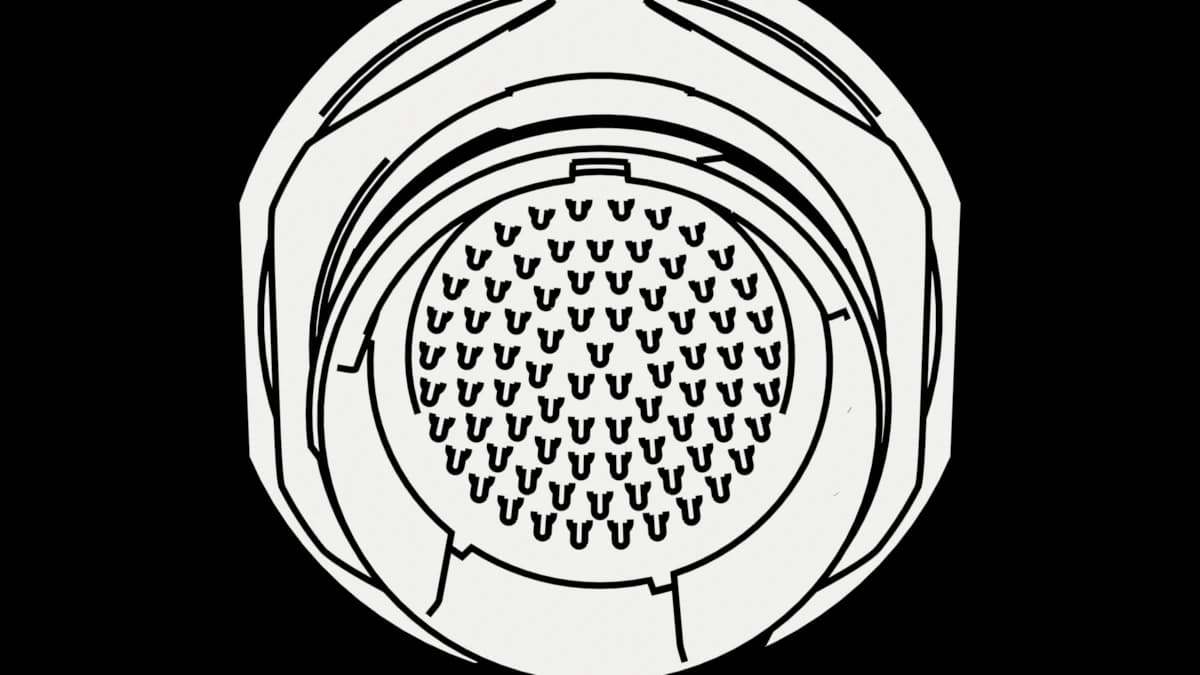 | 21 | 21-35 | 79 | 22D | Large severe-environment signal layout |
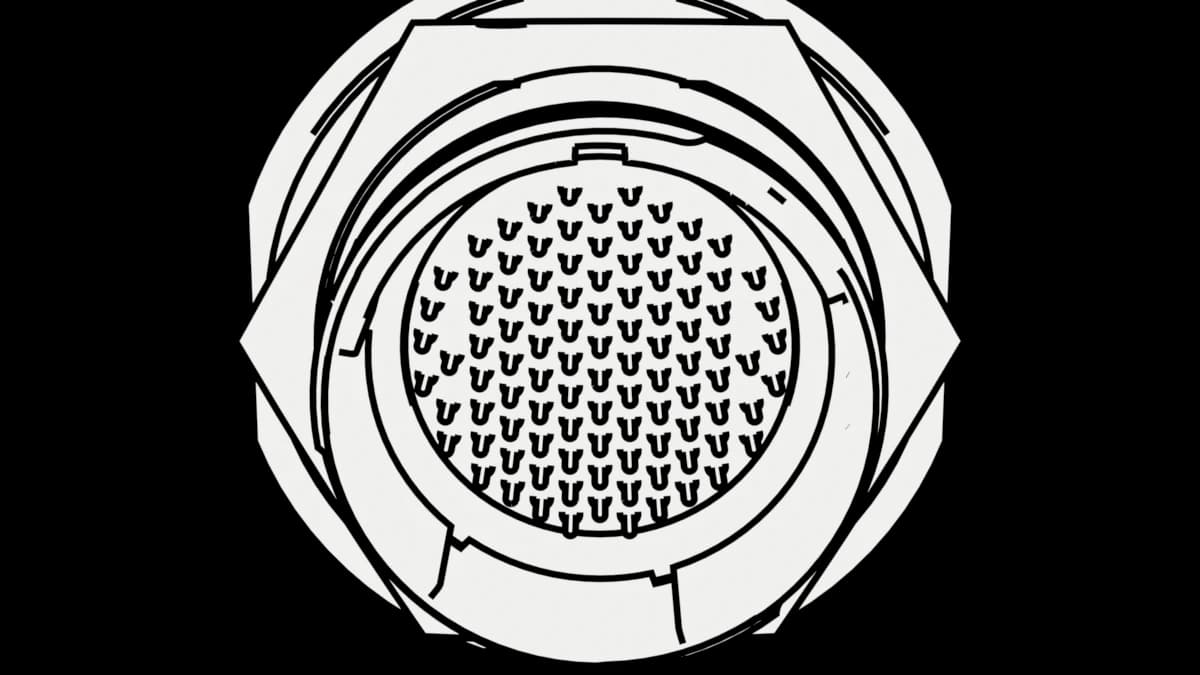 | 23 | 23-35 | 100 | 22D | Very high-density avionics wiring |
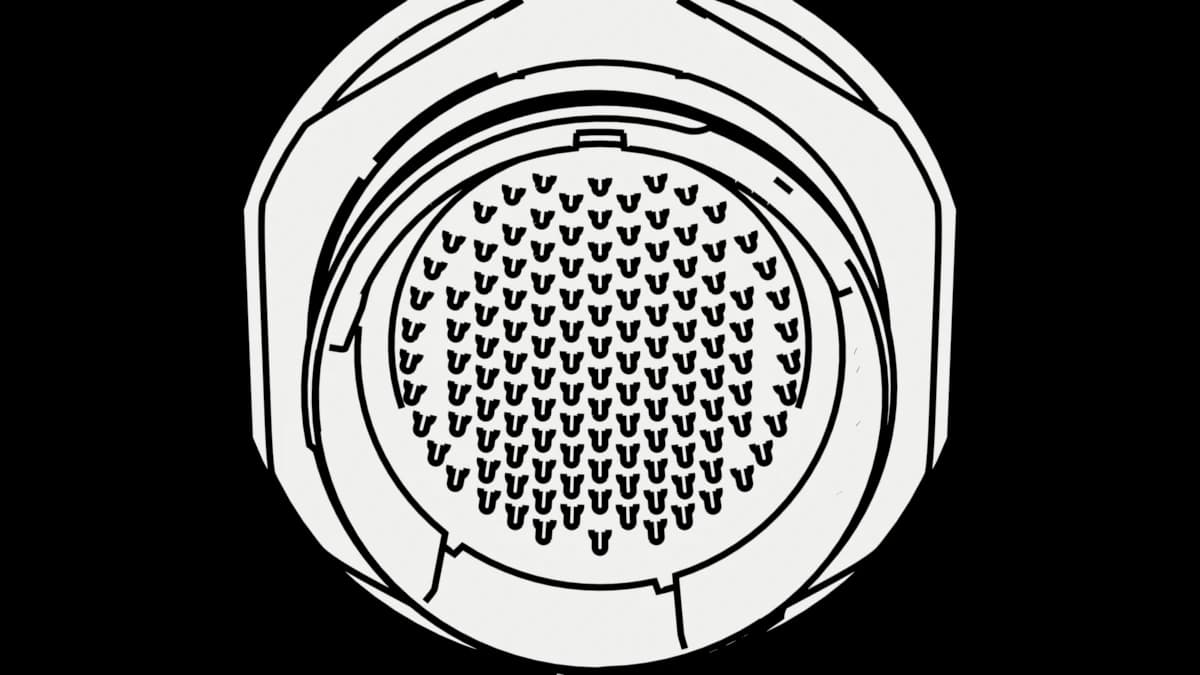 | 25 | 25-35 | 128 | 22D | Maximum-density 38999 signal connector |
Common starting points for a MIL-DTL-38999 harness build. Send your circuit count, part numbers, or a drawing and we quote the full assembly: connectors, contacts, wire, backshells, labels, and testing.
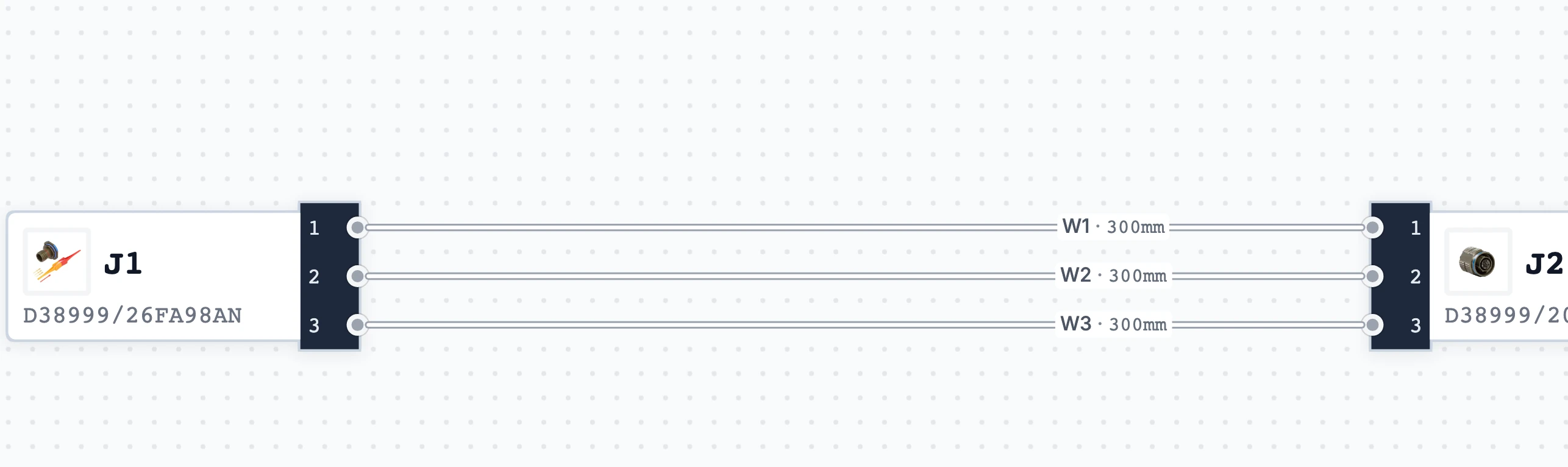
Series III shell 9 plug-to-receptacle lead, 3 size-22D circuits, crimped M39029 contacts, continuity tested.
Open Configurator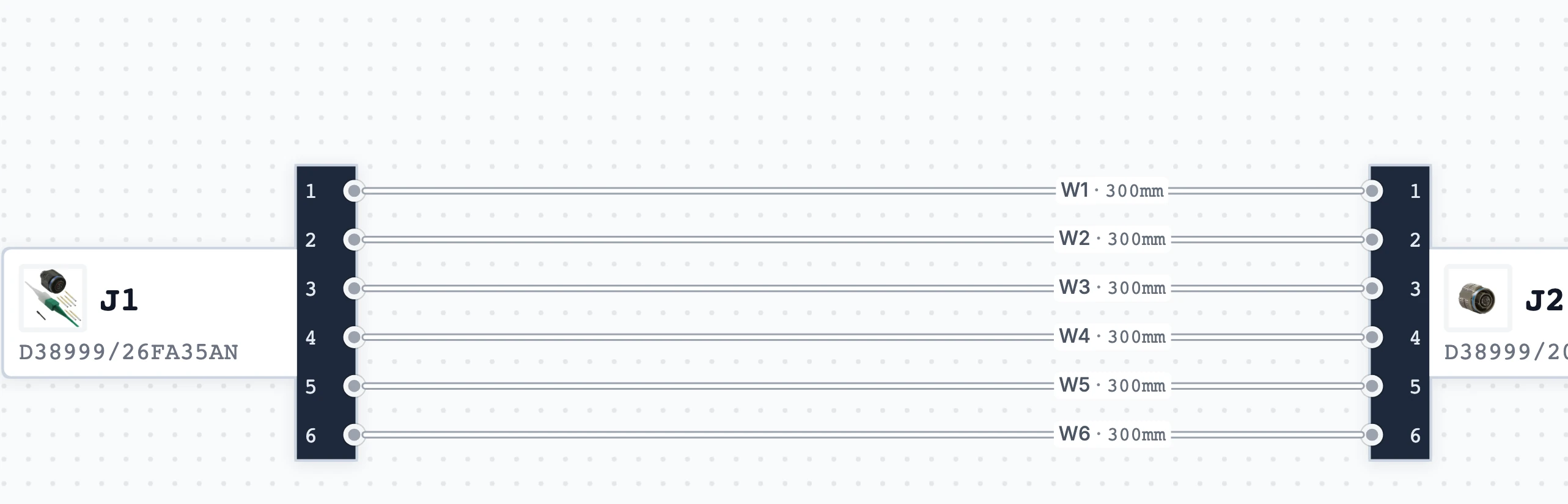
Series III shell 9 insert 9-35 harness, 6 size-22D circuits with crimped M39029 contacts and labels.
Open ConfiguratorSend the D38999 callout and we will map it to a buildable harness package.
Request A QuoteMiniProto is set up for low-volume and prototype harnesses: connector sourcing, wire cutting, labeling, crimping, continuity checks, and IPC/WHMA-A-620 workmanship inspection practices. Typical lead time depends on connector availability and assembly scope.
Good fit for one-off prototypes, test fixtures, and pilot builds that still need a real severe-environment circular connector.
Removable crimp contacts are stripped, crimped with the specified positioner and die, inserted, pull-checked, labeled, and continuity-tested.
Workmanship checks follow IPC/WHMA-A-620 workmanship practices for strip length, crimp quality, sealing plugs, backshell, and routing.
We quote against live availability for the exact slash sheet, class, finish, keying, and mating half instead of assuming catalog stock.
Fast mate/disconnect with scoop-proof interfaces for harsh moisture and vibration. A quick-disconnect option when threaded coupling is not required.
Lower-profile bayonet for tight panel depth or weight limits where high-vibration SWAMP exposure is not the primary driver.
Triple-start threaded coupling that handles vibration well. The common default for new rugged aerospace, defense, and industrial harnesses.
Breech-lock coupling for fast blind-mate disconnects in a lightweight, high-vibration connector.
Series III threaded parts and specific finish/temperature classes change sourcing, price, and lead time.
Dense size-22D layouts multiply stripping, crimping, insertion, inspection, and continuity-test time.
Backshells, band straps, boots, potting, and the specified crimp positioners and dies often dominate practical assembly cost.
Related Links
Break a MIL-DTL-38999 Series III housing part number into plain-English segments, or assemble one from grounded options. Only slash sheets, shell sizes, and insert arrangements in our catalog are offered.
MIL-DTL-38999 is a U.S. military detail specification for miniature, high-density, circular, environment-resistant electrical connectors. A build still has to choose the exact series, shell, insert, contacts, finish, backshell, and tooling.
Series III is the common default for new rugged harness work because the triple-start threaded coupling handles vibration well. Series I and IV are quick-disconnect options, and Series II is for lower-profile, lower-vibration packaging.
Common shell sizes run 9 through 25, paired with insert arrangements such as 9-98, 13-35, or 25-35 that set contact count and contact size for the selected series.
No. QPL status is tied to the exact manufacturer, slash sheet, class, finish, and part number. If the program requires qualified product, verify the exact item in the DLA Qualified Products Database before release.
38999 is the higher-density severe-environment family with triple-start threaded and quick-disconnect series. 26482 is a miniature bayonet family used when the design does not need 38999 density.
Yes. Use ConfigV2 or the quote form and specify MIL-DTL-38999 along with any required part numbers, insert arrangements, keying, finishes, backshells, contacts, and QPL constraints.
Read it left to right: the slash sheet sets the shell style (/26 is a straight plug, /20 a wall-mount receptacle), then the class letter (finish), shell size letter (A=9 through J=25), insert arrangement, contact style, and keying. The decoder tool on this page breaks any 38999 part number into those segments and links straight into a quote or ConfigV2 build.
Configure online when the family seed lands, or send drawings and requirements now for an engineer-reviewed quote.
Newsletter
Join our community and be the first to know about the latest in wire harness prototyping. Get exclusive insights, tips, and updates delivered straight to your inbox.