Blog
Shielding Basics: A Guide to Reducing Electromagnetic Interference
Electromagnetic interference (EMI) is a pervasive challenge in modern electrical systems, capable of degrading performance, disrupting communication, and posing safety risks. Shielding is one of the most effective strategies for mitigating EMI, but its success depends on understanding the nature of the interference and implementing appropriate solutions. This guide provides a foundational overview of EMI shielding, drawing on insights from multiple authoritative sources.
Identifying and Addressing Magnetic and Electric Field Interference
Electromagnetic interference (EMI) consists of two primary components: magnetic fields (H-fields) and electric fields (E-fields), each requiring distinct approaches to mitigation. Magnetic fields, generated by high-current sources such as motors, transformers, and power lines, diminish rapidly with distance following the inverse-square law but can easily penetrate most materials. This makes them particularly challenging to manage in close-proximity systems. In contrast, electric fields arise from voltage variations in power lines or unshielded cables and can extend over much greater distances. Unlike magnetic fields, E-field strength does not diminish as quickly, allowing them to easily couple into nearby components.
Diagnosing the source of EMI is the first step in mitigation. Magnetic field interference can often be identified by moving affected cables or components farther from high-current sources. If interference diminishes with distance, H-fields are likely the culprit. Reorienting components to minimize coupling can also confirm the diagnosis. Addressing magnetic field interference typically involves increasing distance between the source and affected components—a cost-effective solution. When proximity is unavoidable, high-permeability materials like mu-metal can redirect and absorb magnetic energy, providing robust shielding.
Electric field interference, often caused by voltage variations in unshielded cables or power lines, requires a different approach. Wrapping the affected cable in aluminum foil and temporarily grounding it is an easy diagnostic method; a significant reduction in interference points to E-fields as the source. For installed wiring harnesses, sleeve shielding may be a more practical alternative to rewiring (see our article on sleeving for details). Once identified, E-field interference can be managed using conductive shielding materials such as aluminum foil or braided shields. Proper grounding ensures these materials absorb and dissipate unwanted energy, preventing coupling into sensitive components. Shielded cables with integrated conductive layers are ideal for long-term protection, especially in systems with long cable runs or high voltages.
For the remainder of this article, we will focus on electric field shielding solutions, as they are the most relevant to the materials and designs commonly used in wiring harnesses.
How Shielding Works and the Role of Grounding
Shielding protects against EMI through two primary mechanisms: reflection and conduction to ground. These processes, illustrated in Figure 1, work together to manage electromagnetic waves and minimize interference.
Reflection involves the deflection of incoming electromagnetic waves by the shield's conductive surface, effectively redirecting high-frequency signals and preventing them from penetrating further into the system.
Conduction to ground dissipates absorbed energy safely via a grounding path, preventing it from re-radiating or coupling into nearby systems. Effective grounding requires low-impedance connections and careful design to avoid ground loops, which can introduce unwanted noise or interference. A common practice is single-point grounding, where the shield is grounded at only one location, minimizing loops and maintaining stable system performance.
While shielding materials aim to block as much energy as possible, some interference inevitably passes through, but with proper shielding it should be so highly attenuated that it does not cause interference. Reflection often manages high-frequency EMI effectively, but grounding remains essential for addressing low-frequency magnetic fields and ensuring robust protection in noisy environments.
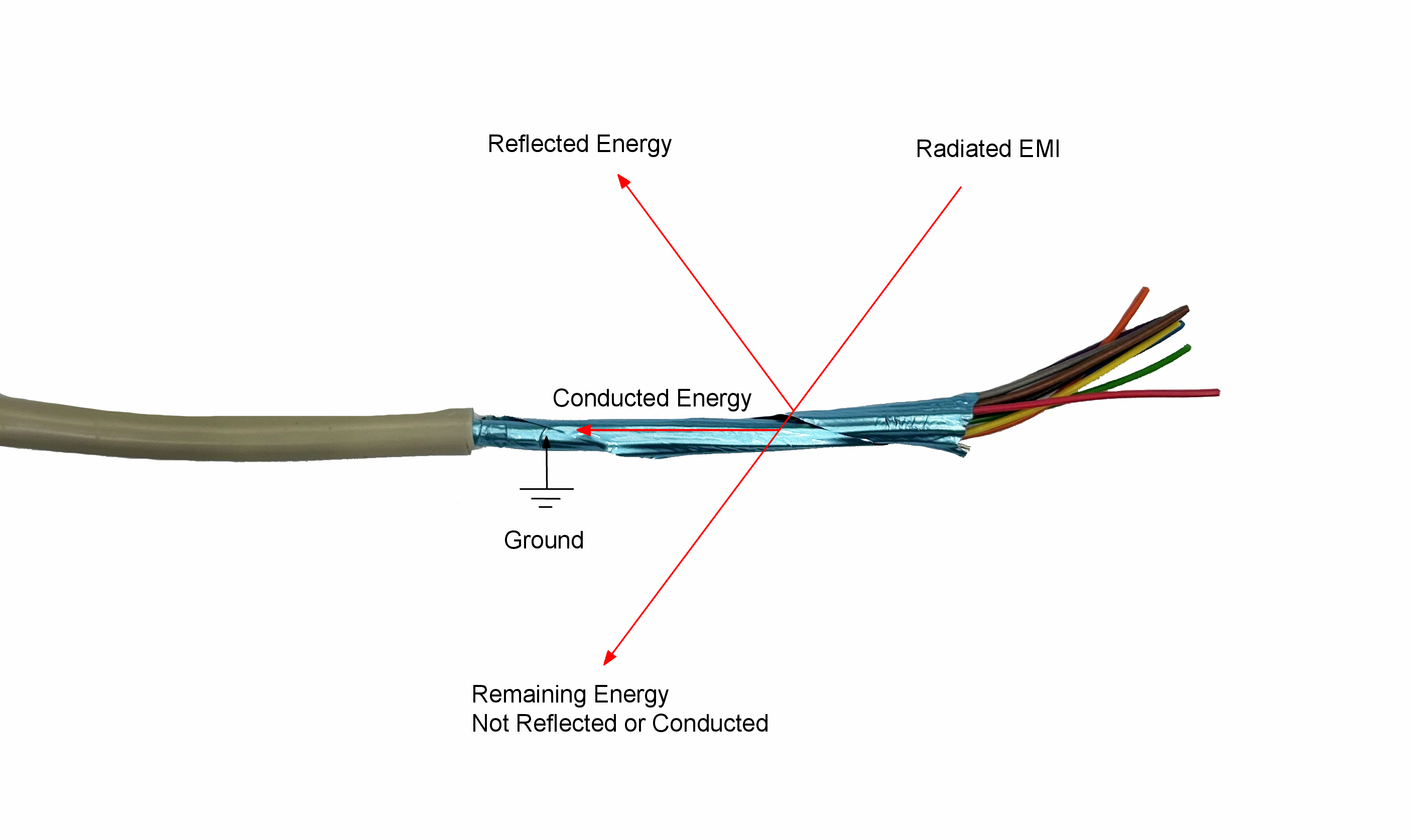
Figure 1. A shield reflects energy, passes energy, and conducts some energy to ground.
Types of Shielded Cables
Non-Shielded Cables
Non-shielded cables lack any shielding and are best suited for low-EMI environments. They are lightweight, flexible, and cost-effective but provide no protection against EMI. They are typically used in basic applications where interference is unlikely.
Foil Shielded Cables
Foil shields offer 100% coverage using a thin layer of conductive material, making them highly effective for blocking high-frequency EMI. They are lightweight and cost-efficient, making them ideal for static installations where flexibility is not required. However, foil shields are less durable and can crack or tear in dynamic environments.
Braided Shielded Cables
Braided shields use interwoven strands of conductive material, providing partial coverage (65-98%). They are effective at low- to medium-frequency EMI and offer excellent mechanical durability. Braided shielding is commonly used in industrial applications where cables are subject to movement or physical stress.
Foil + Braided Shielded Cables
Combination shielding integrates a foil layer for full high-frequency EMI coverage and a braided layer for low-frequency protection and mechanical durability. This dual-layer design delivers superior performance across the entire frequency range and is widely used in high-reliability applications, such as aerospace and medical devices.
Important Note
As discussed in the previous section on grounding, it is essential to properly ground the shielding of all shielded cables for optimal performance.
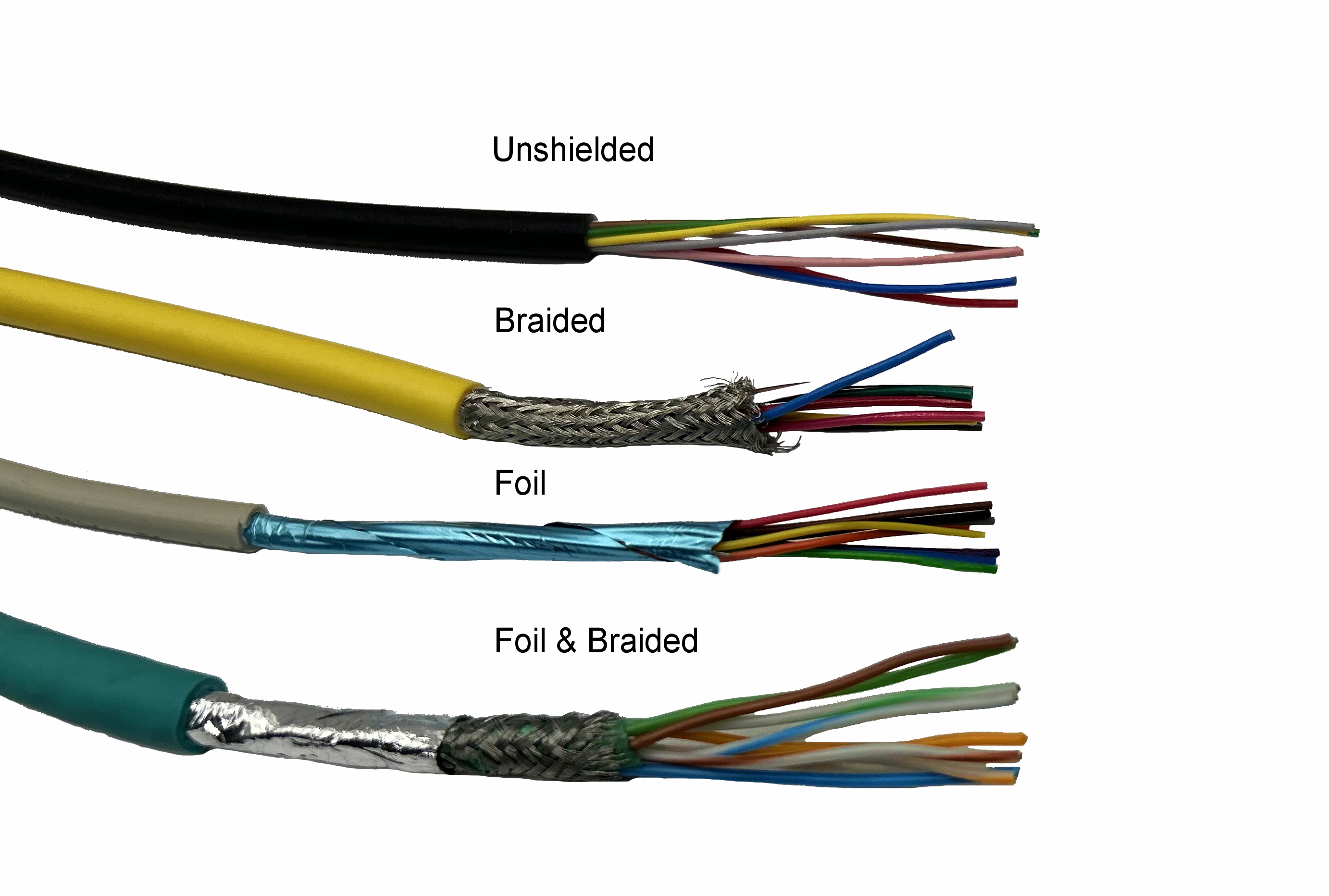
Figure 2 below illustrates the different types of shielding solutions mentioned above.
The Role of Coverage
Shielding coverage refers to the percentage of the cable's surface that is enclosed by shielding material, which directly impacts the shield's ability to block electric fields and reduce electromagnetic coupling. High coverage, such as 100%, creates a continuous conductive surface that effectively blocks high-frequency EMI. At these frequencies, even small gaps in the shield can allow interference to penetrate, making full coverage essential for reliable performance in high-frequency environments.
Partial coverage, ranging from 65% to 98%, can still provide effective protection against low- to medium-frequency interference. At these lower frequencies, the wavelengths of the interference are much longer, so small gaps in the shielding have minimal impact on performance. This makes partial coverage sufficient in many applications where lower-frequency EMI is the primary concern.
Performance Considerations: Shielding Effectiveness and dB
The performance of shielding is typically measured in decibels (dB), which quantifies the attenuation of EMI. Higher dB values indicate better performance. Figure 3 demonstrates the performance of foil, braided, and combination shields across the frequency spectrum.
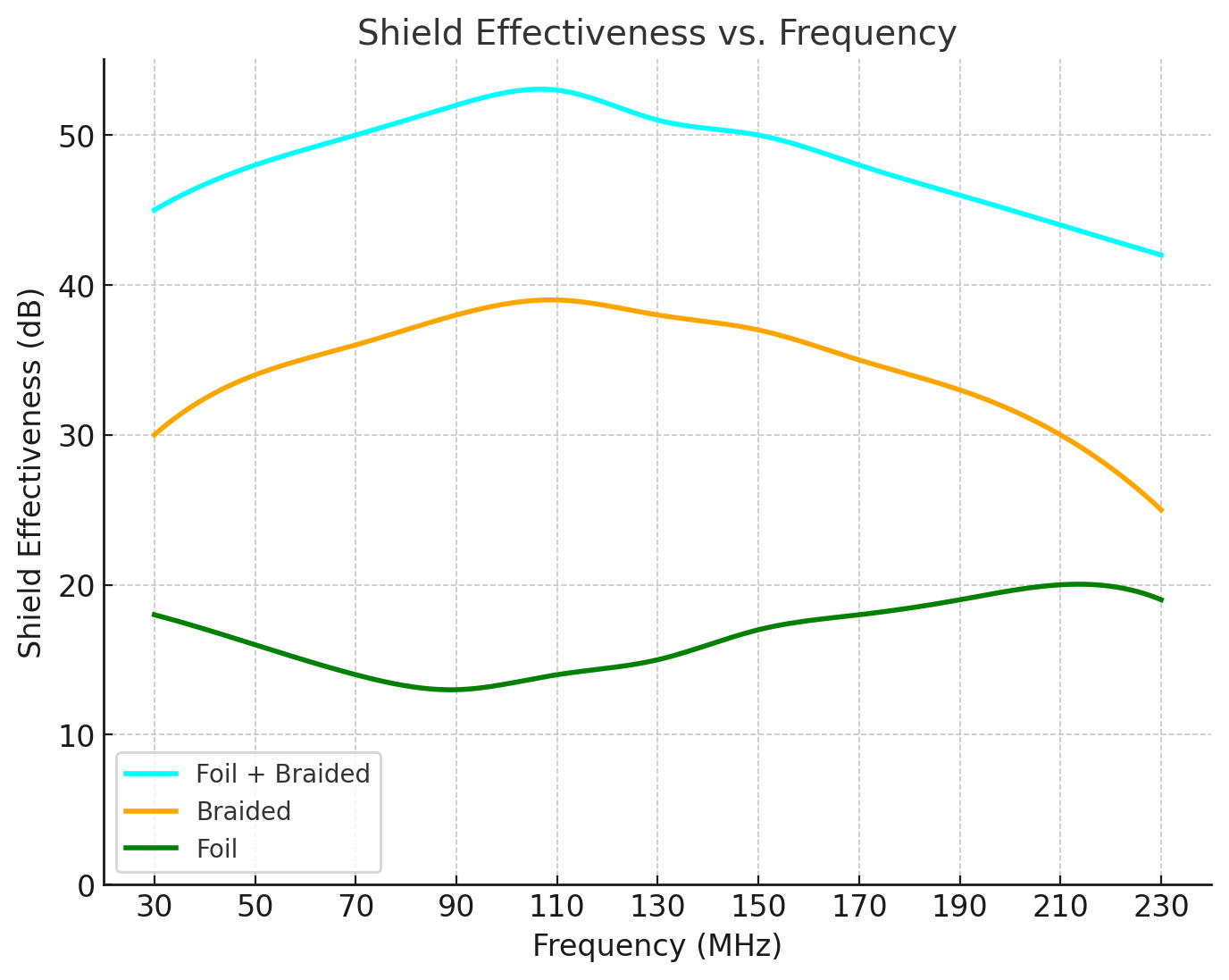
Figure 3. An example of Shield Effectiveness vs. Frequency for various shielding types
To summarize, the choice of shielding depends on the specific needs of your application, balancing factors such as coverage, flexibility, durability, and cost. Foil shields excel at high-frequency EMI protection, braided shields provide robust performance in dynamic environments with low- to medium-frequency interference, and combination shields deliver comprehensive protection across the entire frequency spectrum. Table 1 below offers a concise overview of the key characteristics and applications of each shielding type, serving as a quick reference for selecting the most suitable solution.
| Cable Type | Coverage | Flexibility | Durability | Frequency Range | Cost |
|---|---|---|---|---|---|
| Non-Shielded | None | Zippertubing, Excellent | Moderate | None | $ |
| Braided Shielded | 65-98% | Good | Excellent | up to 100MHz | $$$ |
| Foil Shielded | 100% | Low | Low | over 100MHz | $ |
| Foil + Braided Shielded | 100% (foil) + partial (braid) | Moderate | High | Wide frequency range | $$$$ |
Sources:
Related Links
Related Posts
Connector Keying and Polarization, and Why They Matter
What connector keying and polarization do, how Deutsch and MIL-DTL-38999 handle them, and why to plan keying early in your design.
Crimp vs. Solder: Choosing the Right Wire Termination
When to crimp, when to solder, and why crimped contacts are the default in wire harnesses. Practical guidance from the shop floor.
Flexibility and Bend Radius Considerations for your Wiring Harness
This article explains bend radius, its importance in harness design, and tips for selecting cables for reliability.
Need a custom harness?
Newsletter
Stay Wired with MiniProto.
Join our community and be the first to know about the latest in wire harness prototyping. Get exclusive insights, tips, and updates delivered straight to your inbox.
- Latest Prototyping Trends
- Stay ahead in the field with our articles on MiniProto updates, new technologies, design tips, and industry insights.
- No Spam, Only Value
- We respect your inbox. Receive only the most relevant updates and offers, without the clutter of unwanted emails.